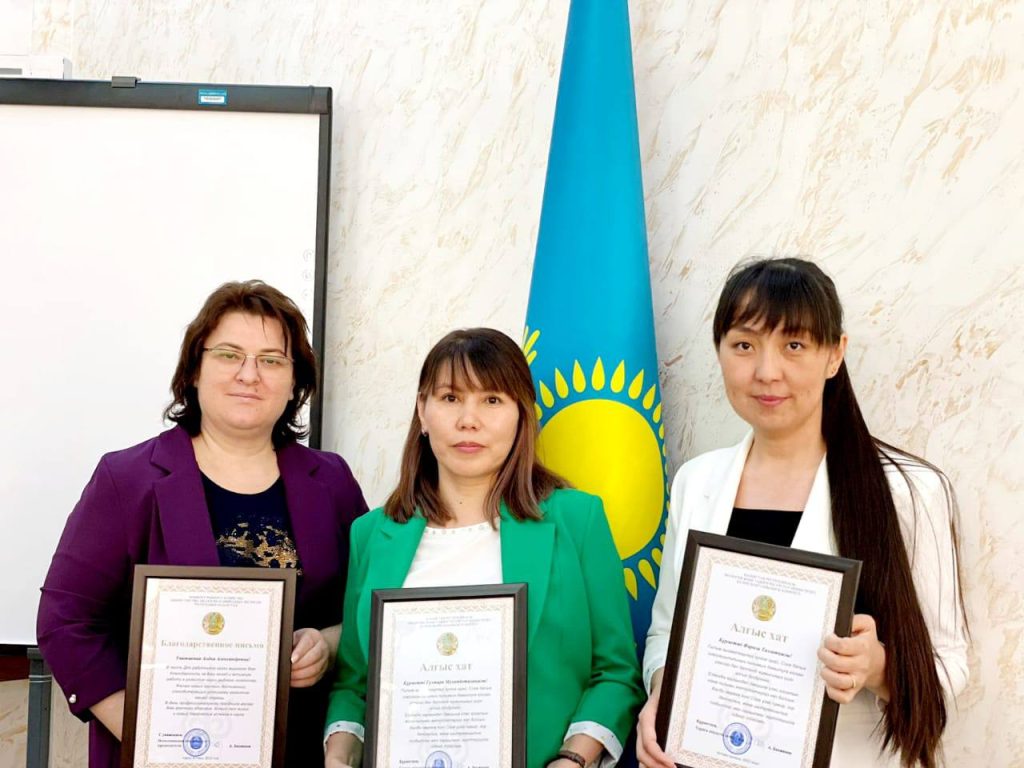
Congratulations on the successful defense of dissertations for the degree of Doctor of Philosophy

The staff of the Scientific and Production Center of Fisheries LLP sincerely congratulates the senior researcher of the Laboratory of Ichthyology Ablaysanova Gulmira Mukhambetalievna, researcher of the Laboratory of Ichthyology Amirbekova Fariza Talgatovna, Chief Scientific Secretary Mukhramova Alyona Alexandrovna and head of the Laboratory of Aquaculture Abilov Berdibek Ibrahimovich with successful dissertations for the degree of Doctor of Philosophy (PhD).

Dear colleagues, we wish you further success and great achievements in fisheries science, confident strength, brilliant prospects and resounding victories.


An experiment is being conducted to evaluate the effectiveness of the effect of the developed domestic probiotic drug

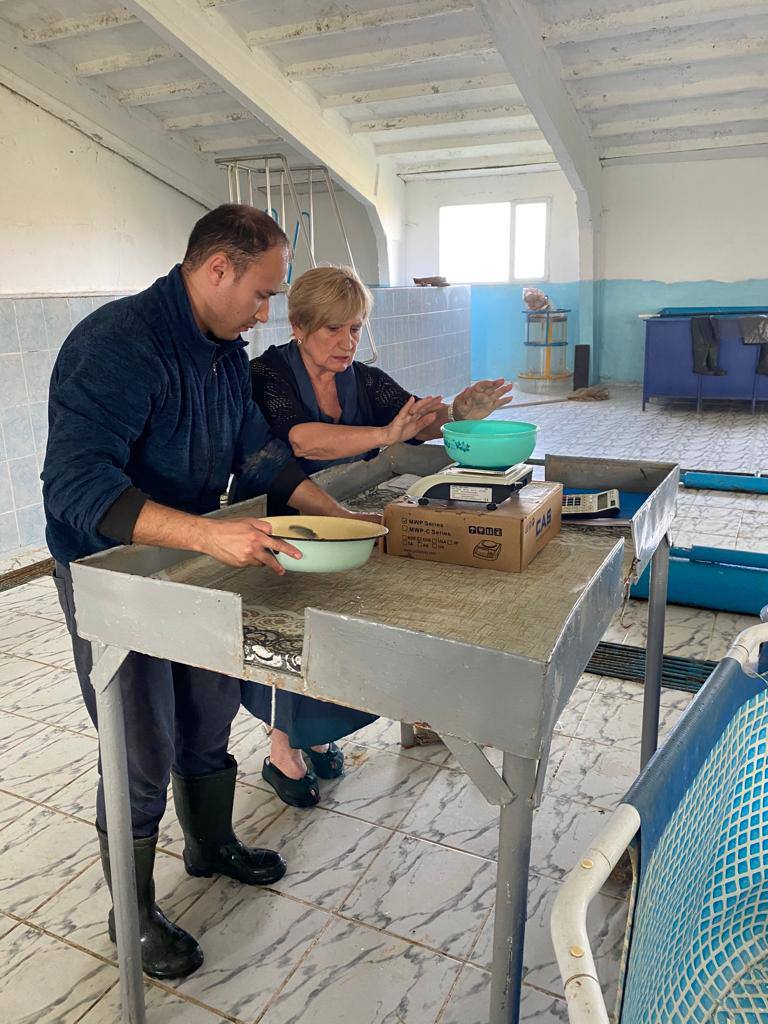
In accordance with the agreement of LLP “RPC of Fisheries” with LLP “RPC of Microbiology and Virology” during the implementation of the project “Development of a domestic probiotic drug that increases the resistance and productivity of valuable fish species in aquaculture” on the basis of LLP “Kapshagayskoe NVH-1973”, an experiment is being conducted to assess the effectiveness of the effect of the developed domestic probiotic drug on fish-breeding biological trout indicators.

 At the basin site of Kapshagayskoye NVH-1973 LLP, the staff of the aquaculture laboratory of RPC Fisheries LLP Badryzlova N.S., Barakov R.T. and Khalelov A.T. conduct control fishing and trout measurements.

The work on the reproduction of walleye in artificial conditions of the fish farm of the PC “Zhambyl” was carried out

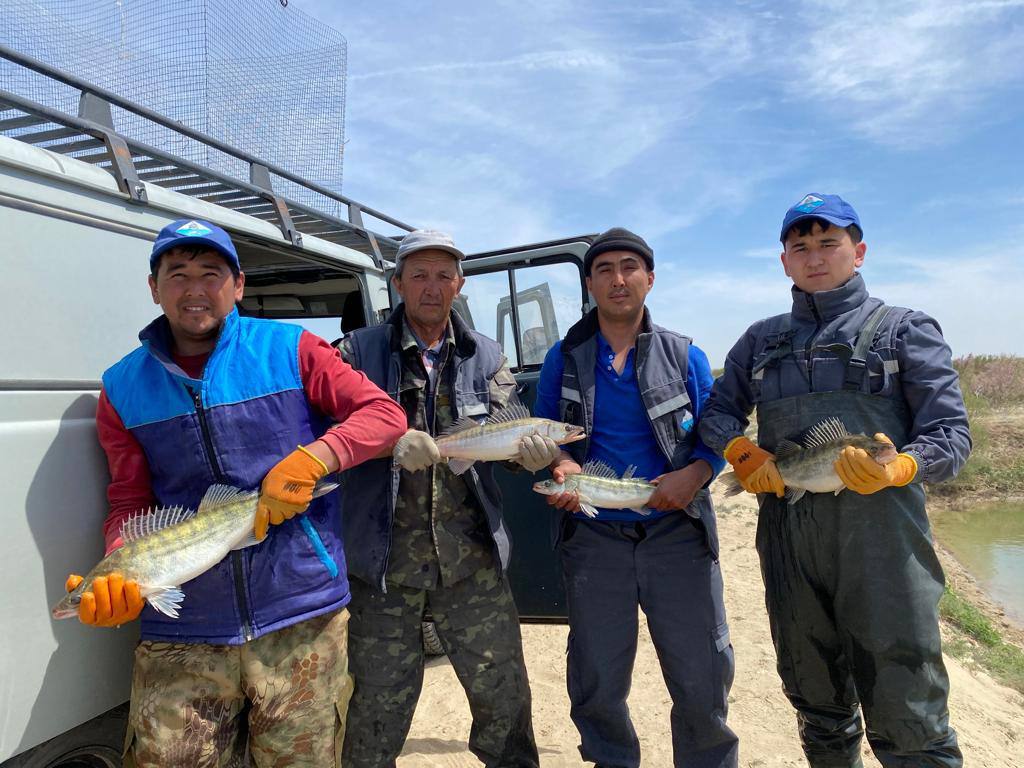
Within the framework of the targeted financing program project “Development and implementation of industrial technologies for the cultivation of promising fish farming facilities and invertebrate aquatic organisms in the conditions of fish farming enterprises”, work was carried out on the reproduction of walleye in artificial conditions of the PC “Zhambyl” fish farming.

  Employees of the Aral branch of the LLP “FishRPC” acting head participate in the spawning campaign of pike perch Iskhakov G.Zh., junior researcher Omar B.M., senior laboratory assistant Kalaganov Zh.S., as well as senior researcher at the Laboratory of Aquaculture of the head FishRPC Badryzlova N.S.

 Spawning of walleye producers in the Zhambyl PC took place on non-perch nests placed in cages. The cage line was placed in the pond. Males and females were placed on spawning nests in pairs after bonitation. After the walleye spawning, the nests with the laid eggs were placed in the Amur apparatuses. During the incubation of walleye caviar, daily monitoring of the hatching of larvae in Amur apparatuses was carried out. For further cultivation, walleye larvae are planted in a closed water supply installation.

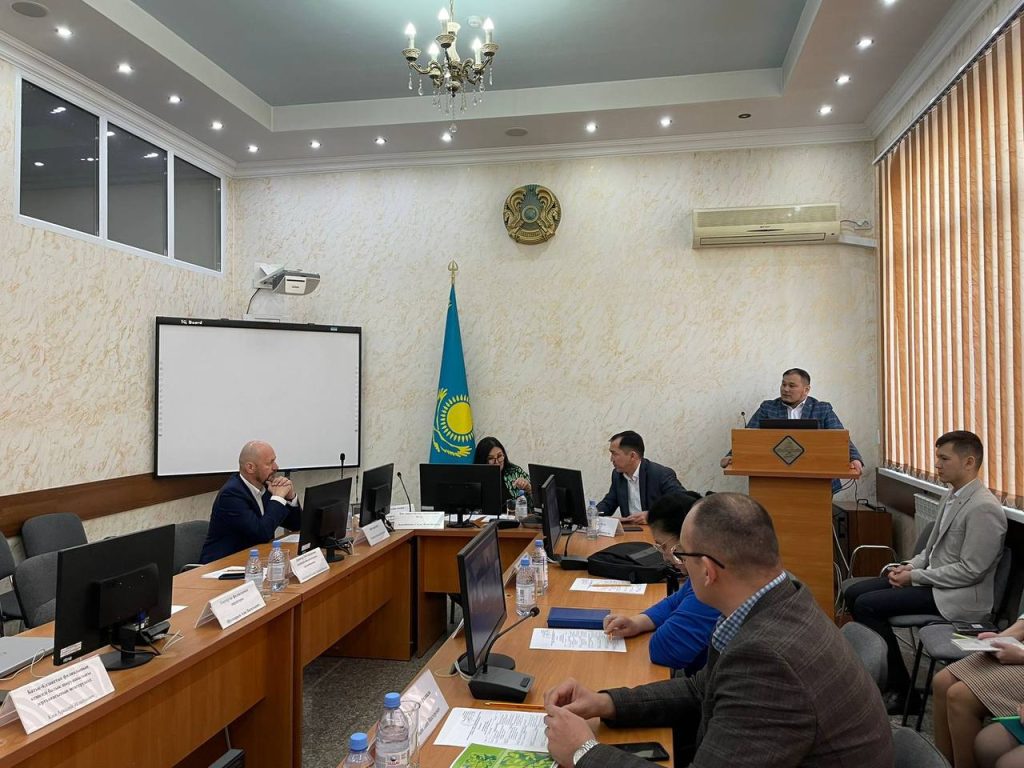
A workshop on MSC certification is being held

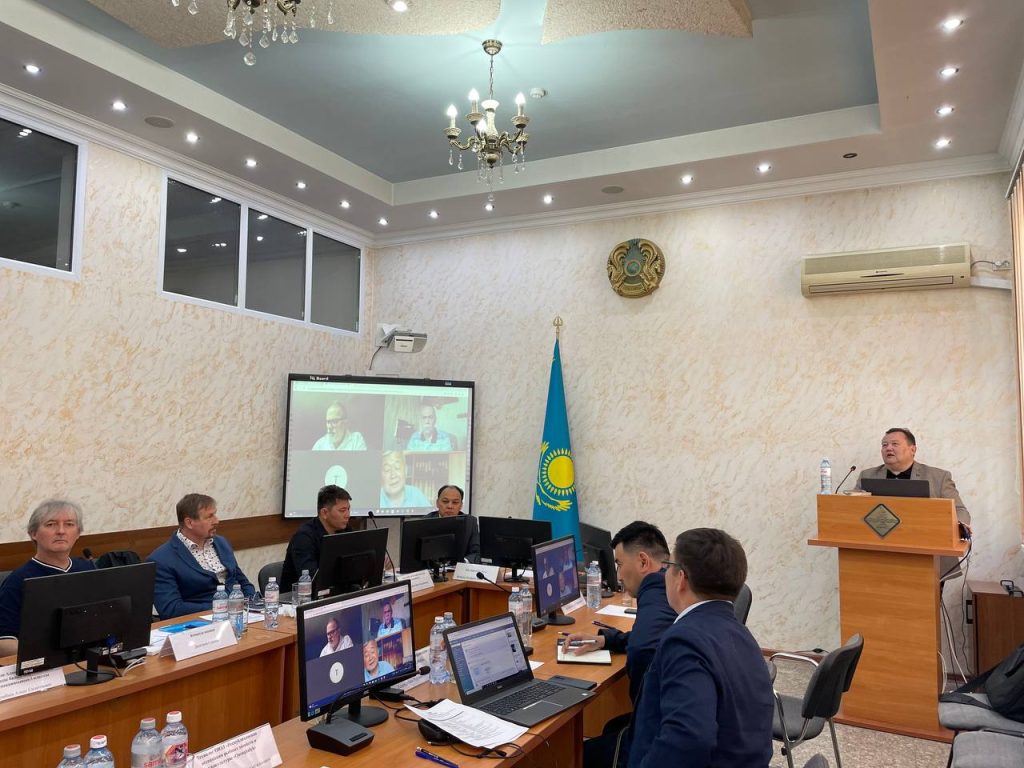
0.05.2023 the Scientific and Production Center of Fisheries LLP is hosting a workshop held as part of the passage of the international certification of the MSC Marine Stewardship Council by the RYBPROM company.

 The workshop is being held with the participation of MSC international experts from Norway and Russia, the management and experts of the Fisheries Research and Production Center, scientific specialists, representatives of the Fisheries Association and other interested non-governmental organizations.

 During the meeting, issues related to the system of state regulation of fishing, ensuring the sustainability of fish stocks and preserving the natural aquatic ecosystems of Lake Balkhash are discussed.

 Also, the results of the preliminary audit report on the Comprehensive assessment of the fishing of walleye, bersh and catfish by RYBPROM on Lake Balkhash, performed by experts of ControlUnion (Great Britain) within the framework of MSC certification, are presented.

 MSC certification is held in our country for the first time and opens up new opportunities to improve the status of the Republic of Kazakhstan in matters of Sustainable development, increase the investment attractiveness of the fishing industry and the image of Kazakhstan’s fish products on world markets.

 For reference: The Marine Stewardship Council (English: Marine Stewardship Council, abbreviated MSC, in Russian – MPS) is an international independent non-profit organization that sets standards for sustainable fishing to solve the global problem of overfishing, leading to the depletion of world fish stocks. The MSC mark on the products guarantees that fish and seafood come only from legitimate and environmentally responsible fisheries that care about the conservation of marine biological resources.

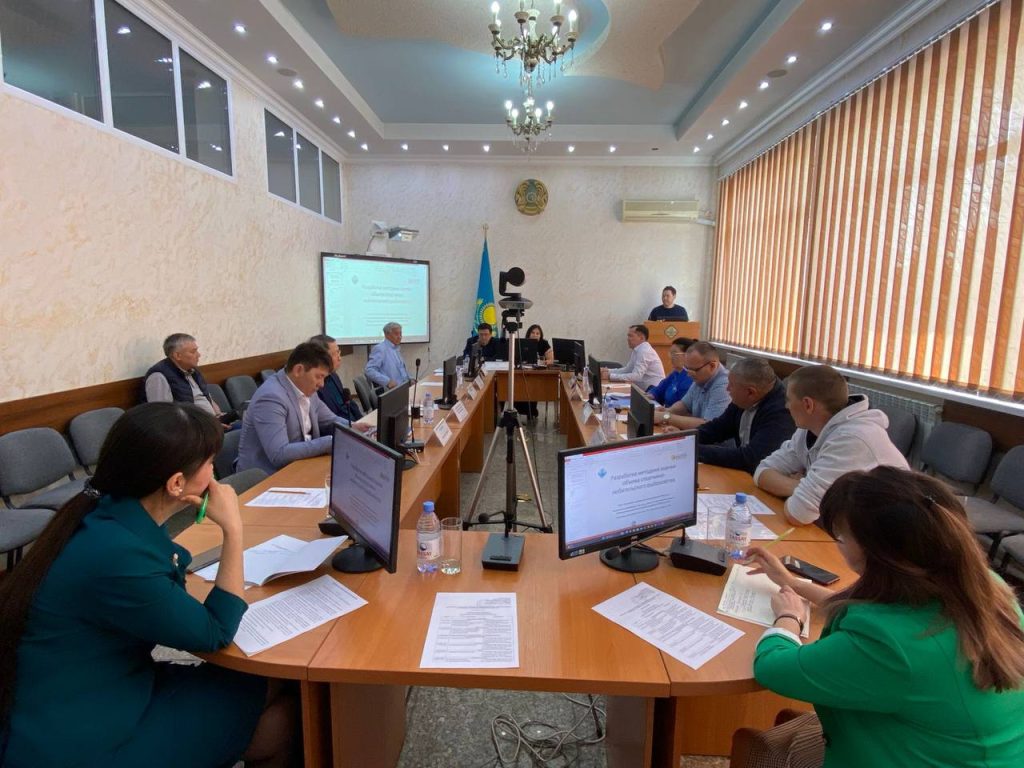
A training seminar is underway “Modeling the estimation of the volume of recreational fishing”

On April 26-27, the Research and Production Center for Fisheries LLP hosts a training seminar: “Modeling the assessment of the volume of recreational fishing” within the framework of the PCF project “Assessing the role of recreational fishing and its impact on ichthyocenosis in the main fishing reservoirs of Kazakhstan” .

A number of questions were raised at the seminar regarding the development of the Methodology for estimating the volume of sport-amateur fishing. The main objective of the Methodology is to assess the volume of recreational fishing in piece and weight units, both separately for each fishing reservoir, and for the entire Republic as a whole.

The trainers of the seminar LLP “Company for System Research “Factor”, represented by the General Director, Ph.D., Associate Professor, Corresponding Member of the International Academy of Engineering Gabbasov M.B. and analyst, doctoral student of ENU. L.N. Gumilyov Shapen K.M.

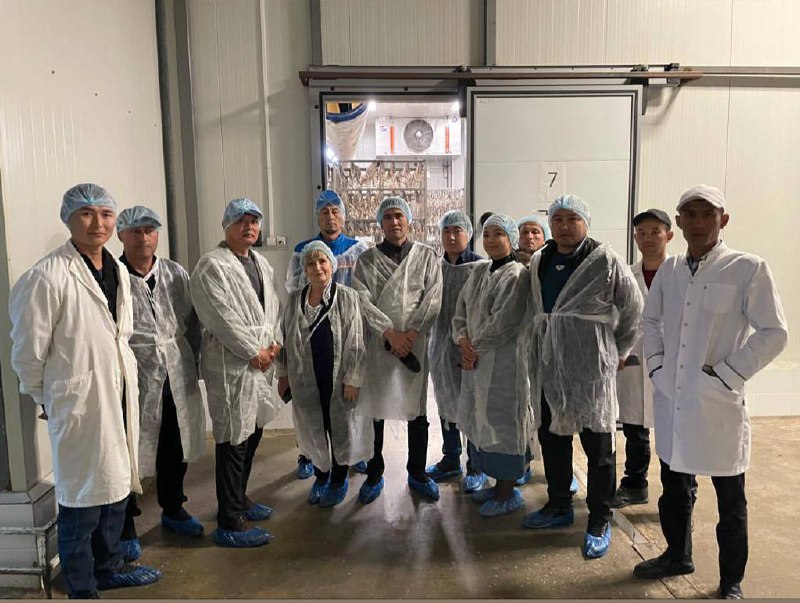
A scientific and practical seminar is being held on the platform of the SEC “Hamit” in the aquaculture training center “FISH SCHOOL”

In the period from March 24 to 29, a scientific and practical seminar is held on the platform of the SEC “Hamit” in the aquaculture training center “FISH SCHOOL” for entrepreneurs and fish farmers on the topic “Technologies for growing valuable fish species and their processing.”

Within the framework of the Memorandum of Cooperation concluded between SEC “Hamit” and LLP “Scientific and Production Center of Fisheries”, the seminar is conducted by employees of the aquaculture laboratory of LLP “SPC RH” Badryzlova N.S. and Umirtaeva A.U.

During the seminar, the audience got acquainted with the traditional technologies for growing valuable fish species in the conditions of fish farms in Kazakhstan, with innovative technologies for cultivating promising aquaculture objects, as well as with state support measures for the development of small and medium-sized businesses in the fishing industry of the Republic of Kazakhstan. Learn how to prepare business plans.

Practical classes are held at the pond farm of SPK Hamit, the cage farm of Vita LLP, at the lake-commodity fish farm Sultan, at the basin farm of IP Baiterek and at the fish processing plant of SPK Hamit.

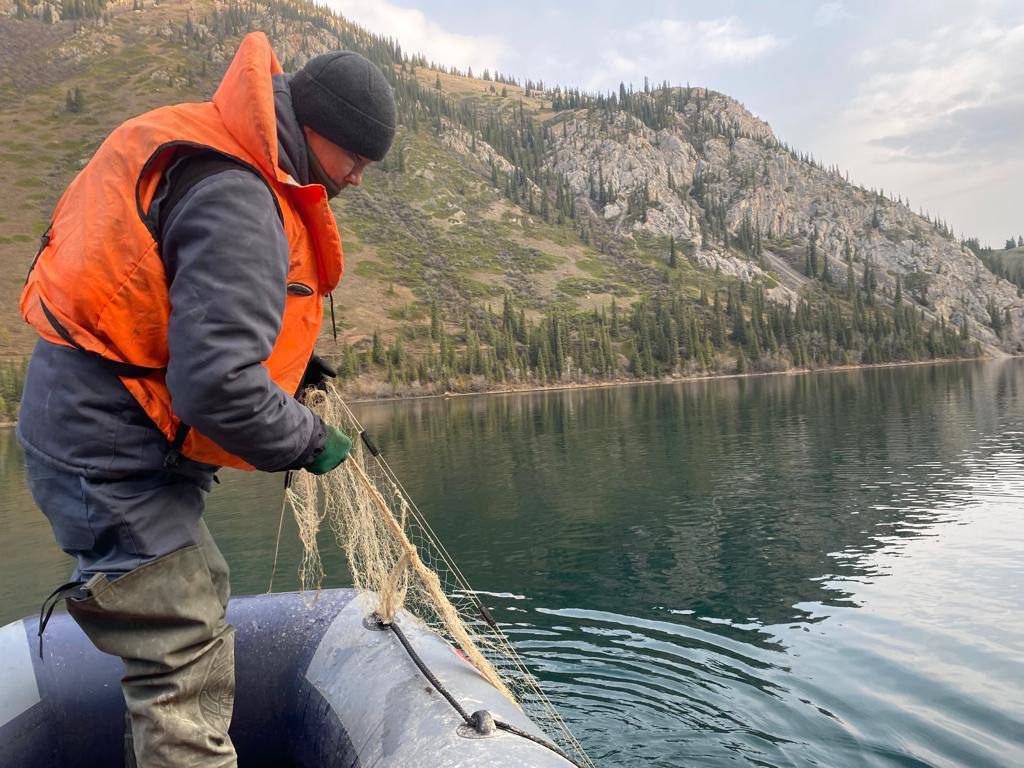
R&D is carried out within the framework of the budget program 256 on Lower Kolsai Lake

Expeditionary team of the laboratory of ichthyology LLP “Research and production center of fisheries” consisting of: head of the expeditionary team Karlybayuly S., junior researcher of the laboratory Otegen S., senior laboratory assistant Igilik R., carry out research work on the Lower Kolsai lake.

As a result of the work, the expedition team took samples of ichthyological materials for analysis. Starting from April 20, 9 net settings were made (ichthyological order of nets). As a result, 129 trout specimens were caught and processed for bioanalysis. For fertility analysis, material was selected from 50 specimens.

The work is attended by the representative of the State Scientific and Production Enterprise “Kolsai Kolderi” Bolatuly A.

These works are carried out within the framework of the budget program 256 Management, ensuring the conservation and development of forest resources and wildlife, under subprogram 102 Ensuring the conservation, reproduction and rational use of wildlife resources.

Evaluation of RMS genetic polymorphism and formation of sturgeon brood stocks

In connection with the wide spread of commercial sturgeon breeding in Kazakhstan over the past 15 years, back in the 2000s, the formation of brood stocks (RMS) of various sturgeon species was initiated in order to provide commercial farms with their own fish stock. The formation of RMS of sturgeons, organized earlier in the conditions of fish farms, was carried out chaotically, since at that time there was a reorganization and transformation of existing farms under the prevailing economic conditions in the Republic of Kazakhstan. Taking into account the inferiority of such RMS of sturgeons, formed in the conditions of commercial sturgeon farms, it was necessary to carry out a genetic analysis and reform the RMS taking into account their genetic, age and sex structures.

The newly created farms were based on the bases of RAS (recirculating water supply installation), the use of which in the econometric conditions of the Republic of Kazakhstan showed their non-viability without a clear structuring of processes and a targeted reduction in the cost of manufactured products. The mass selection method was mainly used, in which the majority of individuals from the same age group were selected annually. This selection method does not take into account either gender or family ties within the formed RMS. In the current situation, in order to assess the quality of the formed RMS, it is necessary to use the most modern methods for monitoring genetic processes occurring in artificially reproducible industrial sturgeon stocks. The genetic monitoring system makes it possible to assess the degree of genetic relationship of individuals involved in obtaining reproductive products for the purpose of artificial reproduction, as well as to identify the offspring obtained from genotyped producers.

With the ban on catching sturgeon species from a natural reservoir, farms involved in the export and import of sturgeon products (caviar, salmon, sturgeon meat, fish stock) must carry out genetic certification and have genetic passports for sturgeon fish to confirm that the fish that is on farm is legal. A genetic passport is drawn up for an individual with an electronic PIT tag and contains individual genetic data used for genetic certification.

Conducting genetic research makes it possible to make optimal pairs of crosses between females and males in order to exclude inbreeding and obtain viable young, to limit the legalization of poaching products.

Considering all of the above, in the course of implementing the project “Formation and effective use of sturgeon brood stocks, taking into account their genetic diversity in the conditions of sturgeon fish farms of the Republic of Kazakhstan”, LLP fulfills the tasks of the project:

Evaluation of the genetic polymorphism of RMS of sturgeon species of fish kept at sturgeon hatcheries in the Atyrau region;

Formation of brood stocks of sturgeon species at fish farms in the Atyrau region, taking into account their genetic diversity.

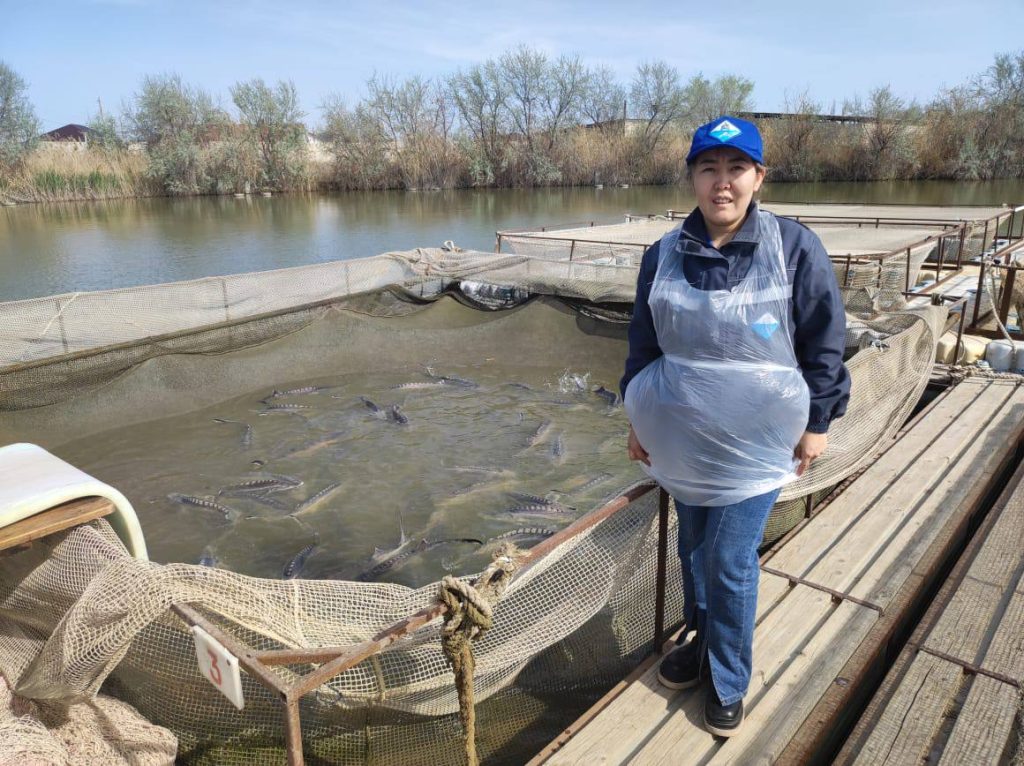
Work is currently ongoing at the commercial fish farm LLP “Caspian Roayl Fish” and the object of research is the RMS of sterlet, formed under the conditions of RAS. The following types of work are currently being carried out:

biomaterial is collected for genetic analysis; photographic materials for the formation of genetic passports;

collection of primary data on fish-breeding biological and morphometric parameters.

Based on the results of the work, an assessment of the genetic polymorphism and fish-breeding and biological indicators of RMS sterlet contained in Caspian Royal Fish LLP will be carried out.

In the photo, a researcher at the laboratory of aquaculture Maratova G.M.

Methods of acoustic tracking of sturgeon species are being tested on the example of stellate sturgeon

To date, research continues on the river. Zhaiyk on the research vessel “D.Amangaliev” within the framework of the project “Ecological and genetic monitoring of sturgeon species of fish of the Zhaiyk-Caspian basin”.

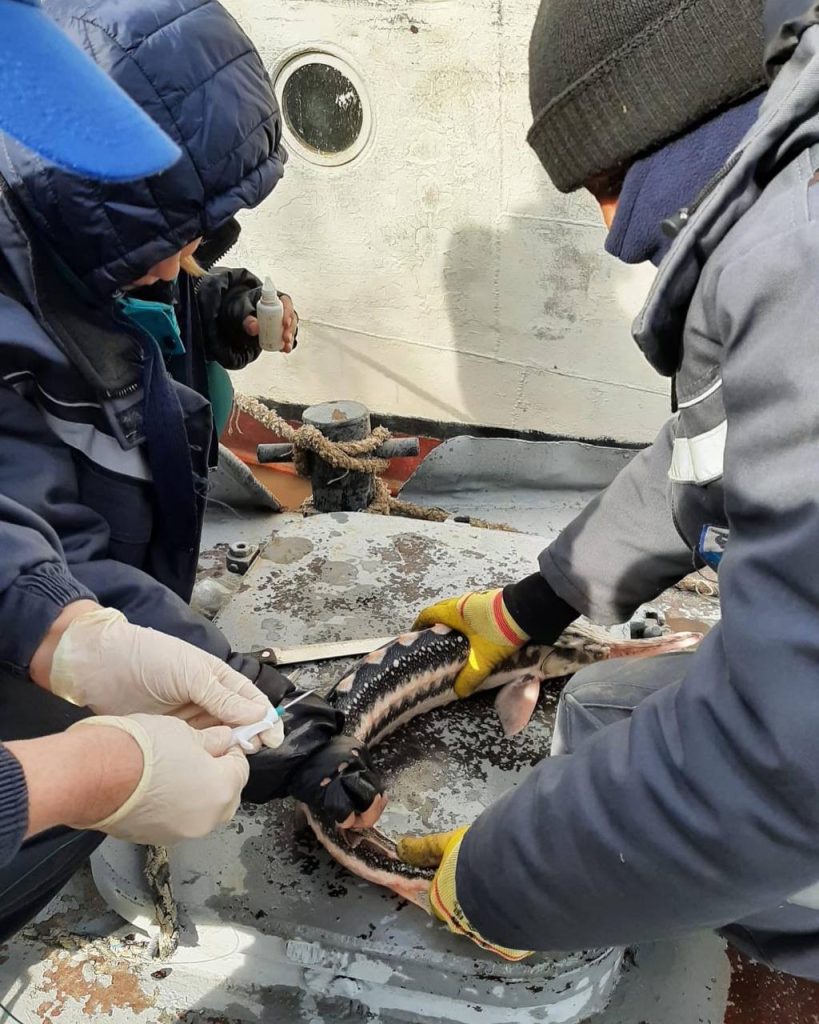
On the example of stellate sturgeon, methods of acoustic tracking of sturgeon species are being tested, which will make it possible to determine the spawning sites of sturgeons in order to develop recommendations for the protection and passage of spawners to spawning sites. To do this, acoustic tags are installed on stellate sturgeon spawners during their lifetime by sending a signal at a frequency of 76 kHz, which is picked up by hydrophones from the hydrophone, the signal is transferred to an acoustic mobile receiver. The receiver (receiver) is located on the water transport, which follows the tagged fish along the Zhaiyk River after release. The marks are placed on the dorsal or pectoral fin of the fish. Acoustic signals can be tracked at a distance of 220-300 m.

The work is attended by the Deputy General Director, Doctor of Biological Sciences. Asylbekova S.Zh., Scientific Researcher of the Laboratory of Hydrobiont Genetics Shalgimbaeva G.M., Scientific Researcher of the Laboratory of Aquaculture Maratova G.M. employees of the Atyrau branch of LLP Scientific and Production Center for Fisheries and the Zhaiyk-Caspian Basin Inspectorate for Fish Protection, Volkov A.A. ch. Researcher, Laboratory of Molecular Genetics, VNIIPRKh, Moscow.