Science for the Conservation of Kazakhstan’s Aquatic Biological Resources: Research Findings of the Fisheries Research and Production Center

The Limited Liability Partnership “Fisheries Research and Production Center” (FRPC), together with its co-executing organizations, is implementing the 2024–2026 Scientific and Technical Program BR23591095, entitled “Comprehensive Studies of Water Bodies for the Conservation and Sustainable Use of Aquatic Biological Resources Based on Their Potential Assessment and Stock Dynamics Modelling.”

The program aims to study the biodiversity of Kazakhstan’s water bodies, assess the condition of aquatic ecosystems and fish stocks, investigate diseases affecting commercial fish species, and develop scientifically sound approaches to the protection and rational use of aquatic biological resources.

The program is being implemented with the participation of the Kazakh Scientific Research Veterinary Institute LLP, the Scientific and Production Center of Microbiology and Virology LLP, the Institute of Hydrobiology and Ecology, and the Company of System Research “Factor” LLP.

Combining expertise in hydrobiology, ichthyology, veterinary medicine, microbiology, virology and mathematical modelling makes it possible to conduct comprehensive studies of aquatic ecosystems and establish a scientific basis for decision-making in the fisheries sector.


Main Areas of Research

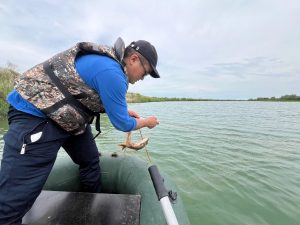
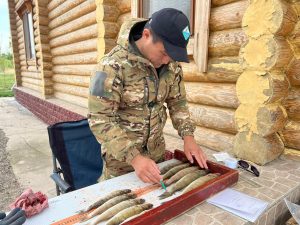
Within the framework of the program, specialists conduct comprehensive studies of fishery water bodies, examine the composition and condition of aquatic communities, identify alien species and assess ecosystem resilience to external impacts.

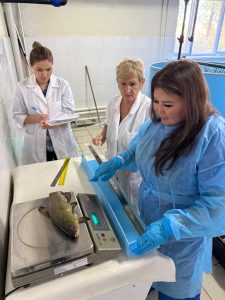
A separate research area focuses on ichthyopathological studies of commercial fish species and the development of measures to reduce the risk of infectious disease transmission. An important part of this work involves investigating the causes of Caspian seal mortality, assessing the effects of natural and anthropogenic factors on its population, and exploring ways to conserve this unique representative of the Caspian Sea fauna.

Researchers also study Gammarus, a valuable aquatic biological resource with export potential, and develop scientific foundations for its efficient use. To improve fish stock management, work is being carried out on mathematical modelling, fish population assessment and the determination of maximum allowable catches.


Scientific Publications and Practical Significance

The research findings are reflected in publications in national and international scientific journals, methodological recommendations, monographs and developments intended for practical application.


Articles in Scopus-Indexed Journals


  1. Barakov R.T. et al. Biological and ecological characteristics of common carp (Cyprinus carpio Linnaeus, 1758) in Kapchagay Reservoir, Kazakhstan. Egyptian Journal of Aquatic Research, 2024. DOI: https://doi.org/10.1016/j.ejar.2024.07.004
  1. Satbek A. et al. Diet Composition and Trophic Niches of the Fish Community in Lake Balkhash. Diversity, 2026, 18, Article 201. DOI: https://doi.org/10.3390/d18040201
  2. Aubakirova M. et al. Long-Term Variability in Zoobenthic Communities in Lake Balkhash (Kazakhstan): Community Composition, Taxonomic Richness, and Potential Drivers. Diversity, 2026, 18(7), Article 409. DOI: https://doi.org/10.3390/d18070409
  3. Umirtayeva A. et al. Population Structure of Lenok (Brachymystax savinovi) in Lake Markakol and Preliminary Strategies for Species Conservation and Population Recovery. Animals, 2026, 16(16). DOI: https://doi.org/10.3390/ani16162558
  4. Berdiakhmetkyzy S. et al. Parasitofauna of commercial fish species of the Northern (Small) Aral Sea. International Journal for Parasitology: Parasites and Wildlife, 2026. DOI: https://doi.org/10.1016/j.ijppaw.2026.101225
  5. Kumar M. et al. Metagenomic Characterization and Molecular Screening of Pathogens in Freshwater Amphipods (Gammarus lacustris) from Kazakhstan: Implications for Aquaculture Biosecurity. Pathogens, 2026, 15(7), Article 663. DOI: https://doi.org/10.3390/pathogens15070663
  6. Baimukanov M. et al. Distribution patterns of Caspian seal island haul-outs under Caspian Sea regression. Frontiers in Marine Science, 2026. https://www.frontiersin.org/journals/marine-science/articles/10.3389/fmars.2026.1832798/full
  7. Court R. et al. Rapid decline of Caspian Sea level threatens ecosystem integrity, biodiversity protection, and human infrastructure. Communications Earth & Environment, 2025. DOI: https://doi.org/10.1038/s43247-025-02212-5
  8. Kumar M. et al. Bacterial Taxonomic Profiling of Freshwater Fish across Hydrographic Basins of Kazakhstan. Fishes, 2026, 11(10), 581. DOI: https://doi.org/10.3390/fishes11100581
  9. Zhaksylykova A. et al. Occurrence and molecular identification of Paracoenogonimus ovatus and Holostephanus dubinini, with a tentative detection of Diplostomum spathaceum, in commercial fish. German Journal of Veterinary Research, 2026, 6(3), 107–118. DOI: https://doi.org/10.51585/gjvr.2026.3.0205
  10. Pangereyev B. et al. DNA barcoding of epigean amphipods in Central Asia reveals deep cryptic montane diversity, widespread cross‑steppe dispersal, and range expansion of invasive species. Hydrobiologia, 2026. DOI: https://doi.org/10.1007/s10750-026-06439-x


Articles in Journals Recommended by the Committee for Quality Assurance in Science and Higher Education (CQASHE)

  1. Shapen K.M. et al. Mathematical modeling of fish resources assessment. Journal of Mathematics, Mechanics and Computer Science, 2024, 123(3), 147–156. DOI: https://doi.org/10.26577/JMMCS2024-v123-i3-12
  2. Barakov R.T. et al. Morphological variability of Cyprinus carpio (Linnaeus, 1758) in water bodies of the Balkash-Alakol basin. Central Asian Journal of Water Research, 2024, 10(2), 144–157. DOI: https://doi.org/10.29258/CAJWR/2024-R1.v10-2/144-157.eng
  3. Аблайсанова Г.М. и др. Қапшағай суқоймасындағы көксеркенің (Sander lucioperca) морфобиологиялық сипаттамасы және қазіргі кездегі жағдайы. Вестник науки Казахского агротехнического исследовательского университета имени Сакена Сейфуллина, 2025, № 2 (125), 84–96.
  4. Калымбетова М.Т., Фефелов В.В., Пангереев Б.С. Продуктивность популяций гаммарид в некоторых водоемах Казахстана. Наука и образование, 2025, № 2–5 (79), 199–207. DOI: https://doi.org/10.52578/2305-9397-2025-2-5-199-207
  5. Тулеуов А. М., Шукуров М. Ж. Батыс Қазақстан облысының негізгі кәсіпшілік су айдындарындағы өзен шаяндары етіндегі уытты элементтер мен радионуклидтердің мөлшерін зерттеу // Ғылым және білім. – 2025. – № 3–5(80). – Б. 307–317. – ISSN 2305-9397.
  6. Адырбекова К. Б. и др. Қазақстанның әртүрлі су айдындарындағы гаммарустардан Gammarus spp. (Crustacea: Amphipoda) ДНҚ бөліп алу тиімділігі мен сапасын бағалау // Сәкен Сейфуллин атындағы Қазақ агротехникалық зерттеу университетінің Ғылым жаршысы: пәнаралық. – Астана: С. Сейфуллин атындағы Қазақ агротехникалық зерттеу университеті, 2025. – № 3 (127). – Б. 71–80. org/10.51452/kazatu.2025.3(127).1996
  7. Крайнюк В. Н. и др. Рыбец Vimba vimba (L., 1758) (Cyprinidae) – новый инвазивный вид в реке Жайык // Ғылым және білім. – 2025. – № 3–5(80). – Б. 283–295. – ISSN 2305-9397. КОКСНВО.
  8. Қуанышбекова Г. Қ. и др. Ретроспективный анализ и текущие тенденции заболеваемости промысловых видов рыб водоёмов Ертисского бассейна (Казахстан, Центральная Азия) // Вестник науки Казахского агротехнического исследовательского университета имени Сакена Сейфуллина: междисциплинарный. – Астана: С. Сейфуллин атындағы Қазақ агротехникалық зерттеу университеті, 2025. – № 2 (125). – Р. 108–117. org/ 10.51452/kazatu.2025.2(125).1893
  9. Shapen K.M., Akhmedov A., Rakhymova A.T. Application of Bayesian analysis for comprehensive assessment of the state of fish resources in freshwater ecosystems // Вестник КазНПУ им. Абая. Серия: Физико-математические науки. – 2024. – № 4 (88). – С. 71–80.
  10. Pangereyev B., Assylbekova S., Fefelov V. Evaluation of the biochemical composition and nutritional value of Gammarus // Bulletin of Shakarim University. Technical Sciences. – 2025. – № 2(18). – P. 200–206.
  11. Аблайсанова Г.М. и др. Іле–Балқаш бассейнінің жергілікті маңызы бар су айдындарында Балқаш алабұғасының (Perca schrenki) таралуы. Ізденістер, нәтижелер – Исследования, результаты, 2025, № 4 (108), 74–84. DOI: https://doi.org/10.37884/4-2025/09
  12. Ablaisanova G. et al. Assessment of the Current State of Ichthyofauna in the Rivers of the Zhambyl Region (Southeastern Kazakhstan). Animal Husbandry and Aquaculture, 2026, 1(2), 335–346. DOI: https://doi.org/10.52578/3134-8572-2026-2-335-346
  13. Баққожа Ж.М. и др. Қапшағай су қоймасындағы каспий қаракөзі Rutilus Caspicus (Yakovlev 1870) популяциясының морфологиялық белгілерін талдау // Ізденістер, нәтижелер – Исследования, результаты. №4 (108) (Dec. 2025), – С. 86–97. https://doi.org/10.37884/4-2025/10
  14. Тулеуов А. М. и др. Батыс Қазақстан облысының негізгі кәсіпшілік су айдындарындағы өзен шаяндар етінең тағамдық құндылығын зерттеу // Наука и образование: науч.-практ. журн. Западно-Казахстанского аграрно-технического университета имени Жангир хана. – 2025. – Т. 5, вып. 3 (80). – С. 307–317. https://doi.org/10.52578/2305-9397-2025-3-5-307-317
  15. Oskina A. Comprehensive Assessment of the Ecological Status of the Zhayik River in West Kazakhstan Region Based on Macrozoobenthos Structure and Integrated Biotic Indices. Animal Husbandry and Aquaculture, 2026, 1(2), 196–205. DOI: https://doi.org/10.52578/3134-8572-2026-2-196-205
  16. Самбаев Н.С. и др. Оценка влияния экологических факторов на биологические показатели промысловых рыб Шардаринского водохранилища (Арало-Сырдарьинский бассейн, Казахстан). Центральноазиатский журнал исследований водных ресурсов, 2026, 12(1), 93–118. DOI: https://doi.org/10.29258/CAJWR/2026-R1.v12-1/93-118.rus
  17. Suleimenova S.A. et al. Identification of potential bacterial pathogens in the microbiome of wild Cyprinid (Cyprinidae) fish from the Ishim (Esil) River using high-throughput sequencing. Здоровье животных и биобезопасность, 2026, 82(4), 362–373. DOI: https://doi.org/10.52578/3134-8114-2026-4-362-373
  18. Suleymenova S. et al. Shotgun Metagenomic Sequencing for the Characterization of Bacterial Communities Associated with Gammarus lacustris from Freshwater Ecosystems in Kazakhstan. Animal Health and Biosafety, 2026, 82(4), 374–384. DOI: https://doi.org/10.52578/3134-8114-2026-4-374-384
  19. Shapen K.M. et al. Assessment of fish population dynamics in Lake Zaisan using a cohort approach based on research and commercial catch data. Bulletin of Abai KazNPU. Series of Physical and Mathematical Sciences, 2025, № 3 (91), 79–90. DOI: https://doi.org/10.51889/2959-5894.2025.91.3.007


Intellectual Property Protection Documents

  1. Republic of Kazakhstan Utility Model Patent No. 9746. Device for Catching and Collecting Gammarus. Application No. 2024/1096.2 dated 10 September 2024. Patent holder: Fisheries Research and Production Center LLP.
  2. Republic of Kazakhstan Utility Model Patent No. 10491. Method for Studying the Biological Diversity of Ichthyofauna. Application No. 2025/0246.2 dated 18 February 2025. Patent holder: Fisheries Research and Production Center LLP.
  3. Republic of Kazakhstan Utility Model Patent No. 10492. Device for Capturing and Fixing Fish during Ichthyopathological Studies. Application No. 2025/0248.2 dated 18 February 2025. Patent holder: Fisheries Research and Production Center LLP.
  4. Republic of Kazakhstan Utility Model Patent No. 10565. Device for the Temporary Keeping of Live Fish during Parasitological Studies. Application No. 2025/0333.2 dated 4 March 2025. Patent holder: Fisheries Research and Production Center LLP.
  5. Republic of Kazakhstan Utility Model Patent No. 10566. Method for Identifying the Species Composition of Alien Fish in Water Bodies. Application No. 2025/0335.2 dated 4 March 2025. Patent holder: Fisheries Research and Production Center LLP.
  6. Republic of Kazakhstan Utility Model Patent No. 11201. Portable Individual Enclosure for the Caspian Seal. Patent holder: Institute of Hydrobiology and Ecology.
  7. Republic of Kazakhstan Utility Model Patent No. 12875. Method for Cultivating Gammarus for Feeding Valuable Fish Species. Application No. 2026/0823.2 dated 13 April 2026. Patent holder: Fisheries Research and Production Center LLP.


Copyright Certificates

  • Photographic work “Seal Disc”, No. 59588 dated 11 June 2025.
  • Photographic work “Seals in the Heart”, No. 60019 dated 19 June 2025.


The conservation of biodiversity, rational use of fish resources and implementation of modern stock assessment methods are important components of the sustainable development of Kazakhstan’s fisheries sector.

The scientific findings obtained are intended to contribute to improving the aquatic biological resource management system and preserving the country’s natural wealth for future generations.
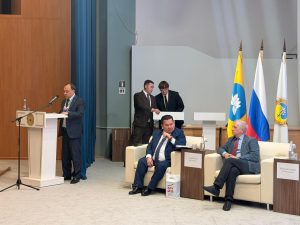
 

International Expert Dialogue in Elista: Cooperation in the Conservation of Caspian Water Resources

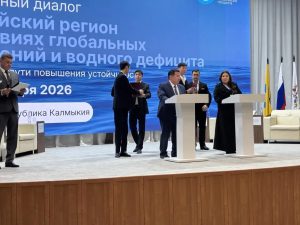
From October 25 to 28, 2026, the International Expert Dialogue on the topic «The Caspian Region in the Context of Global Changes and Water Scarcity: Initiatives and Improvements» is taking place in Elista at Kalmyk State University named after B. B. Gorodovikov.

Representatives of the Research and Production Center for Fisheries LLP took part in the International Expert Dialogue: First Deputy Director General, Doctor of Biological Sciences, Professor, Academician of KAAN S. Zh. Assylbekova; Executive Director, Doctor of Biological Sciences, Professor, Academician of KAAN K. B. Isbekov; and Director of the Atyrau Branch E. L. Kadimov, who delivered presentations dedicated to pressing issues of the Caspian region.

An important outcome of the International Expert Dialogue was the signing of a Memorandum of Understanding between Kalmyk State University named after B. B. Gorodovikov and the Research and Production Center for Fisheries LLP under the Fisheries Committee of the Ministry of Agriculture of the Republic of Kazakhstan.

The Memorandum is aimed at establishing mutually beneficial long-term international cooperation between the Parties in academic, scientific, and cultural spheres. Its signing creates a foundation for developing partnership relations, exchanging scientific experience, and implementing joint initiatives.

The participation of representatives of the Research and Production Center for Fisheries LLP in the International Expert Dialogue contributes to discussing urgent environmental problems of the Caspian region, exchanging scientific knowledge, and strengthening international cooperation in the conservation of aquatic biological resources and ensuring sustainable development of the region.

A Young Scientist of the Fisheries Research and Production Center Receives an Apartment Under a Government Support Program

Supporting young scientists and creating conditions for their professional development are important priorities of the state policy of the Republic of Kazakhstan.

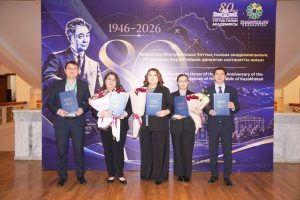
A significant event took place as part of activities marking the 80th anniversary of the National Academy of Sciences of the Republic of Kazakhstan and the implementation of the instructions of the Head of State, President of the Republic of Kazakhstan Kassym-Jomart Tokayev.

Providing housing for young professionals is not only a solution to an important social issue but also an investment in the future of Kazakhstani science. Such measures are aimed at strengthening human resource capacity, supporting promising researchers, and creating favorable conditions for the advancement of scientific activities.

Particular attention to the social needs of young scientists helps build a sustainable scientific community, retain qualified personnel, and motivate specialists to pursue further research and professional growth.

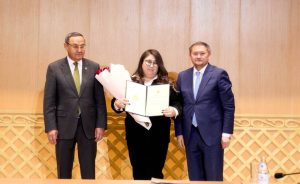
Receiving an apartment marks an important milestone for Aigerim Aitkaliyeva, opening up new opportunities for greater stability and further professional development.

The team of the Fisheries Research and Production Center congratulates Aigerim Aitkaliyeva on this joyful occasion and wishes her prosperity, warmth and comfort in her new home, success in her work, and new achievements in advancing science in Kazakhstan!

Astana Hosts Kazakh Fish Academy Practical Course on Fish Health and Disease Management

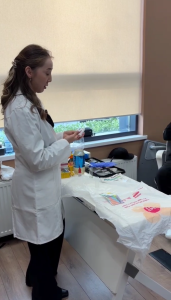
On September 24, 2026, a practical training course for aquaculture professionals was held in Astana, focusing on the diagnosis, prevention, and treatment of fish diseases.

The course, entitled “Fish Health as the Foundation of Sustainable Aquaculture: Diseases, Risks and Solutions,” was conducted for participants of the Kazakh Fish Academy by Zhansulu Urgenishbayeva, Researcher at the Laboratory of Genetics and Aquatic Organisms of the  LLP «Fisheries Research and Production Center»

During the course, participants studied the main causes and signs of fish diseases, as well as modern approaches to diagnosis, treatment, and prevention. Particular attention was given to practical training: participants performed external examinations and fish necropsies, assessed the condition of internal organs, practiced biological sample collection methods, and conducted microscopic examinations.

The practical format enabled participants to reinforce their theoretical knowledge and acquire skills necessary for the timely detection of fish diseases, contributing to improved professional training and the development of a culture of disease prevention in aquaculture.

Developing practical competencies in ichthyopathology and biosecurity is an important part of training specialists who are able to respond effectively to fish health risks and contribute to the sustainable development of the aquaculture sector.

A Scientific Council Meeting on the Results of Research Activities Was Held

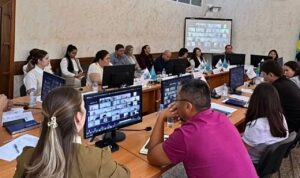
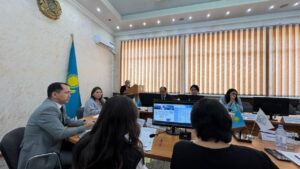
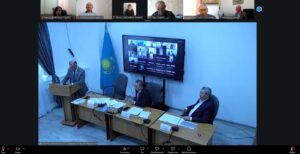
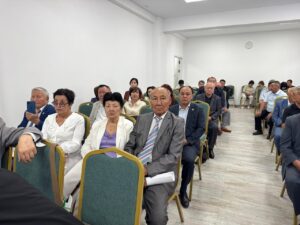
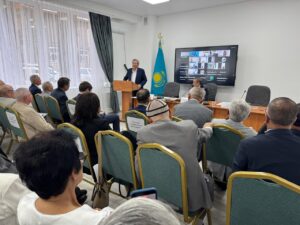
A meeting of the Scientific/Coordination Council was held at the headquarters of the Research and Production Center of Fisheries (RPCF). Leading scientists and industry experts reviewed reports on research activities for 2026 and summarized the results of the implementation of three-year programs for 2024–2026.

The meeting was held in a hybrid format, bringing together participants in the Center’s conference hall and online.

The agenda included the review of the results of two research programs:

─ “Development and Implementation of Innovative Technologies and New Aquaculture Species That Are Economically Efficient Under the Natural and Climatic Conditions of Various Regions of Kazakhstan,” Program Manager: S. Zh. Assylbekova, Doctor of Biological Sciences, Professor, Academician of KAAS;

─ “Comprehensive Studies of Water Bodies for the Conservation and Sustainable Use of Aquatic Biological Resources Based on the Assessment of Their Potential and Modeling of Stock Dynamics,” Program Manager: K. B. Isbekov, Doctor of Biological Sciences, Professor, Academician of KAAS.

Representatives of the relevant government body — the Fisheries Committee of the Ministry of Agriculture of the Republic of Kazakhstan — took part in the Council’s work: M. K. Kalmuratov, Head of the Department for the Protection of Fish Resources and Fisheries Regulation, and B. U. Rustemov, Head of the Aquaculture Development Department.

The heads and specialists of the RPCF branches, as well as representatives of leading scientific organizations participating as co-executors, joined the discussion of the research results remotely:

  • NJSC “S. Seifullin Kazakh Agrotechnical Research University”;
  • LLP “Kazakh Scientific Research Veterinary Institute”;
  • Institution “Institute of Hydrobiology and Ecology”;
  • LLP “Scientific and Production Center of Microbiology and Virology”;
  • LLP “Company for System Research ‘Factor’.”

Employees of the Research and Production Center of Fisheries Elected Corresponding Members of the Kazakh Academy of Agricultural Sciences

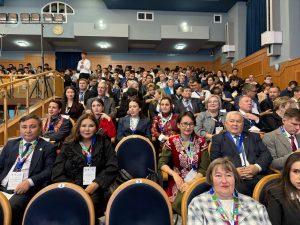
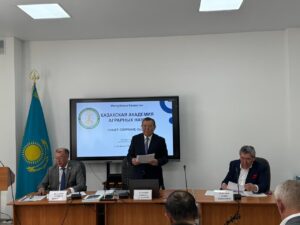
On September 18, 2026, the General Meeting — Session of the Kazakh Academy of Agricultural Sciences (KAAS) — was held in Almaty.

During the session, current issues concerning the development of agricultural science in Kazakhstan were discussed. In particular, the participants reviewed the results of the KAAS activities for 2025 and the first six months of 2026, conceptual priorities for further scientific support of the country’s agro-industrial complex, issues related to improving the financing of agricultural science, and the evaluation of research results. Particular attention was paid to the development of the scientific knowledge dissemination system, the training of scientific personnel, and the improvement of agricultural education.

One of the significant events of the Session was the election of new full members (academicians) and corresponding members of the Kazakh Academy of Agricultural Sciences.

Following the vote, the following employees of the LLP “Research and Production Center of Fisheries” were elected as corresponding members of KAAS:

Tynysbek Temirkhanovich Barakbayev — Deputy Director General for Innovation and Production Activities of the LLP “Research and Production Center of Fisheries”;

Zamira Turarovna Bolatbekova — Chief Scientific Secretary of the LLP “Research and Production Center of Fisheries”.

Election to the membership of the Kazakh Academy of Agricultural Sciences represents significant recognition of the scientific and professional achievements of these specialists and their contribution to the development of national agricultural science and fisheries.

For the LLP “Research and Production Center of Fisheries”, this event is of particular importance. The election of two representatives of the Center as corresponding members of KAAS demonstrates the high level of the Center’s scientific potential and the professional recognition of specialists working in the fields of research, conservation and sustainable use of aquatic biological resources, and aquaculture.

Today, agricultural science in Kazakhstan faces large-scale challenges, including improving the effectiveness of scientific support for the country’s agro-industrial sectors, enhancing mechanisms for financing and evaluating scientific results, training a new generation of researchers, and introducing scientific developments into practice. Fisheries science is an important part of this process, providing scientific support for biodiversity conservation, sustainable use of aquatic biological resources, and the development of fisheries and aquaculture in Kazakhstan.

The LLP “Research and Production Center of Fisheries” sincerely congratulates Tynysbek Temirkhanovich Barakbayev and Zamira Turarovna Bolatbekova on their election as corresponding members of the Kazakh Academy of Agricultural Sciences!

We wish the newly elected corresponding members continued scientific success, the successful implementation of significant research projects, new professional achievements, and a meaningful contribution to the development of science, fisheries, and aquaculture in the Republic of Kazakhstan.

Kazakhstan’s Participation in the IX International Fisheries Forum

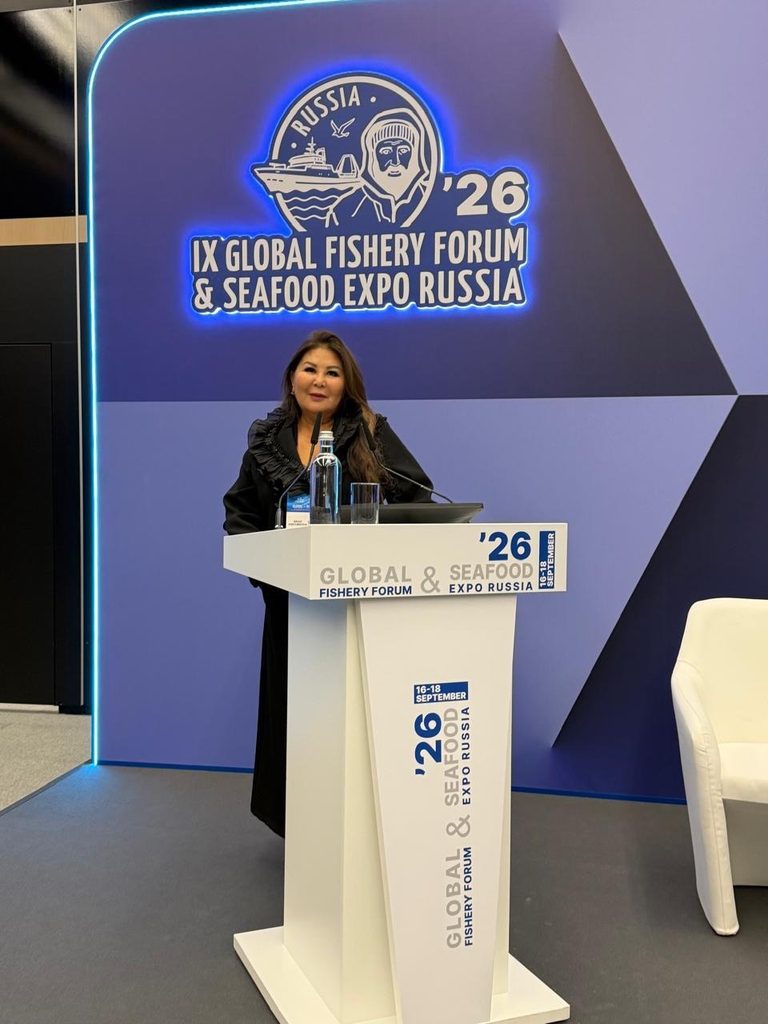
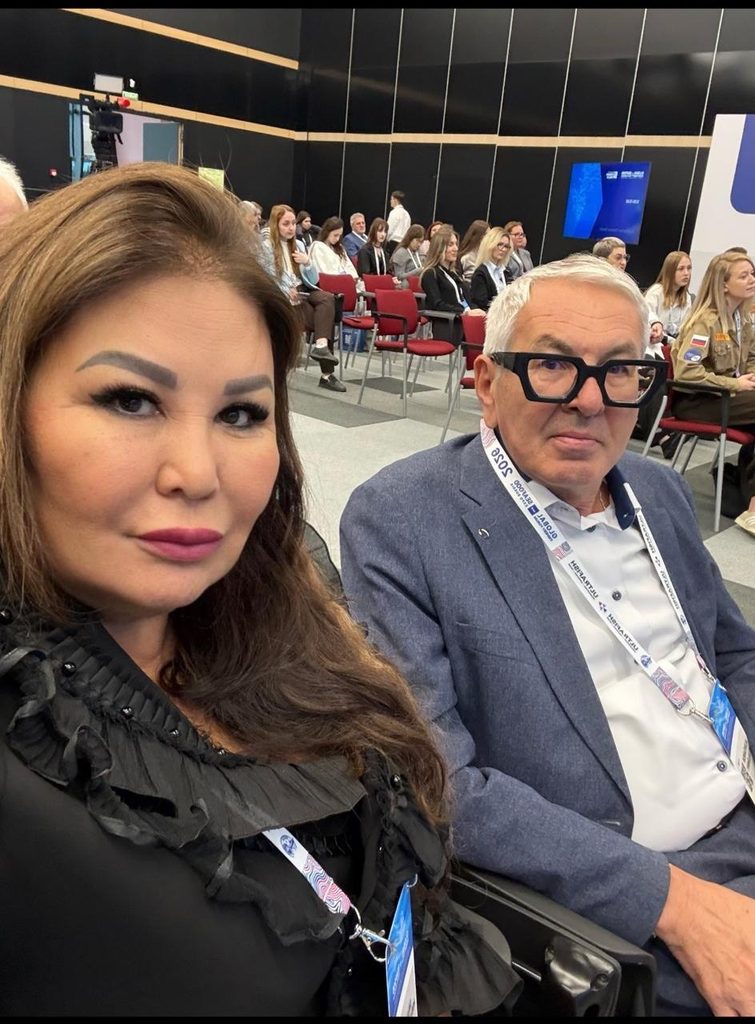
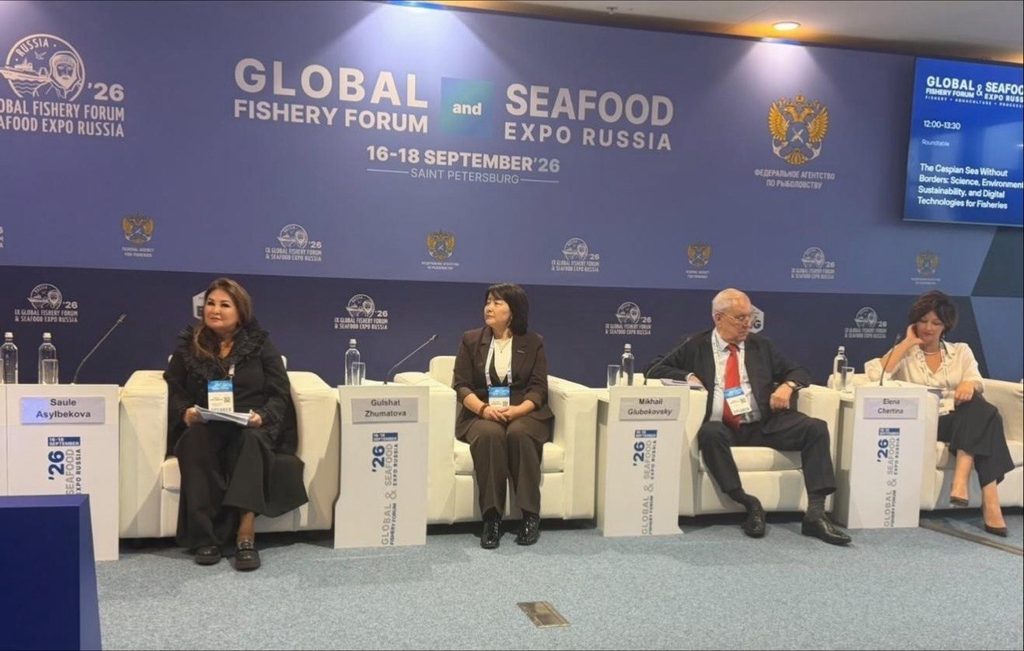
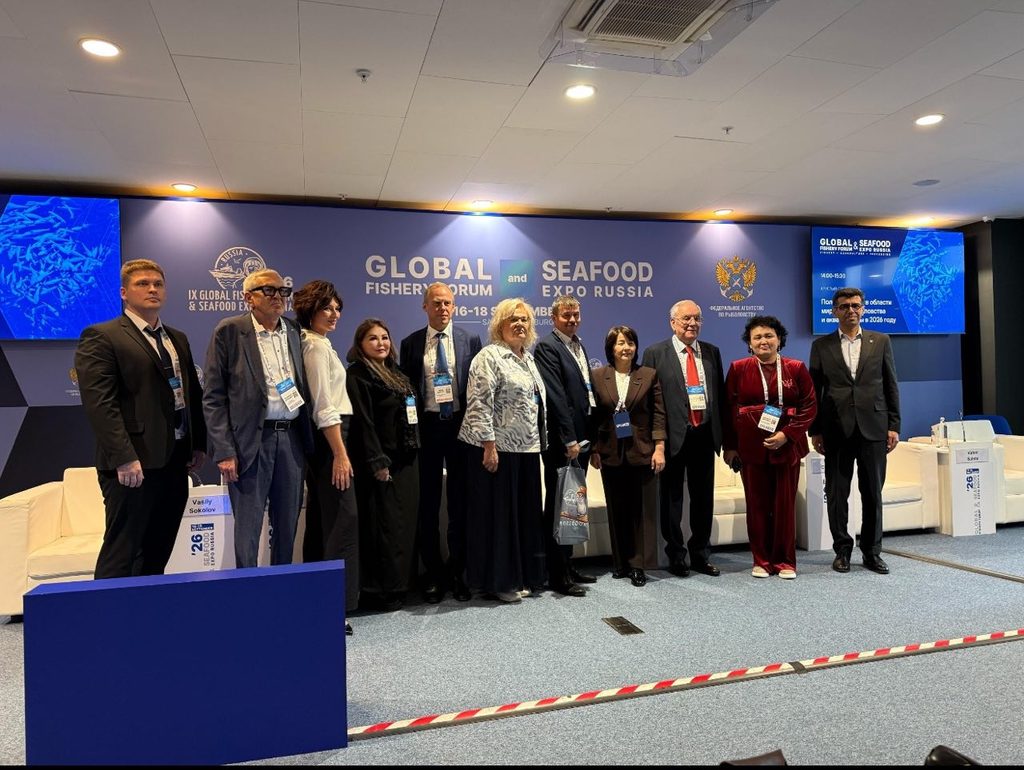
From September 16 to 18, 2026, the IX International Fisheries Forum and the Global Fishery Forum & Seafood Expo Russia 2026 Exhibition of the Fishing Industry, Seafood and Technologies are being held in St. Petersburg.

At the invitation of the forum organizers — the Federal Agency for Fishery, with the support of the Ministry of Agriculture of the Russian Federation — the Republic of Kazakhstan was represented at the event by S. Zh. Assylbekova, First Deputy Director General of the LLP “Research and Production Center of Fisheries”, Doctor of Biological Sciences, Professor, Academician of KAAN.

As part of the forum’s business program, S. Zh. Assylbekova participated as a speaker in the thematic session “Caspian Without Borders: Science, Ecology and Digital Technologies in the Interests of the Fisheries Sector.” In her presentation, she highlighted the scientific potential of the Republic of Kazakhstan and outlined key approaches to the conservation, restoration and sustainable use of aquatic biological resources of the Caspian Sea.

The round table addressed current issues related to the environmental condition of the Caspian Sea, the conservation of aquatic biological resources, the development of international scientific cooperation, and the introduction of digital technologies.

Particular attention was paid to anthropogenic pressure on the Caspian ecosystem, the application of artificial intelligence in environmental monitoring, the development of cross-border cooperation, personnel training, and the development of common approaches to the sustainable use of natural resources.

The participation of the Republic of Kazakhstan in the international forum contributes to strengthening scientific and professional cooperation with the Caspian littoral states, developing international collaboration, and establishing joint approaches to the conservation of the Caspian Sea ecosystem and the sustainable development of the region’s fisheries sector.

Kamila Adyrbekova’s scientific internship under the «Bolashak» program

Kamila Adyrbekova, Ph.D., Head of the Laboratory of Hydrobionts Genetics at the Fisheries Research and Production Center, successfully completed a one-year research internship under the Bolashak “500 Scientists” Program at the University of Illinois Urbana-Champaign (USA).

From September 1, 2025, to August 31, 2026, she undertook her internship as a Visiting Research Scholar in the Collaborative Conservation Genomics Laboratory at the Illinois Natural History Survey.

The research conducted during the internship focused on environmental DNA (eDNA) for biodiversity monitoring, with particular emphasis on aquatic invasive species, as well as the use of bioinformatics for processing and analyzing next-generation sequencing (NGS) and community metabarcoding data.

One of the main areas of research was eDNA monitoring of invasive carp species, including Silver Carp (Hypophthalmichthys molitrix), Bighead Carp (Hypophthalmichthys nobilis), Grass Carp (Ctenopharyngodon idella), and Black Carp (Mylopharyngodon piceus).

Environmental DNA (eDNA) refers to genetic material from organisms that is present in the environment. The analysis of eDNA is a modern approach to studying aquatic ecosystems that enables the detection of species and biodiversity monitoring, including the detection of invasive species.

During the internship, Kamila Adyrbekova also presented the results of her dissertation research in fish population genetics to the research group.

The one-year internship provided practical experience with modern research methods in the field of molecular genetics of aquatic ecosystems. The experience gained may contribute to future research on biodiversity and genetic monitoring of aquatic ecosystems in Kazakhstan.

Scientific research works on reservoirs of Zhambyl region

From August 24, 2026 to the present, employees of Scientific and Production Center of Fisheries LLP — head of the expedition team Bakkozha Zh.M., junior researcher Onegen S.A., researcher Bekturov D.S. and driver Sakharin N.H. — within the framework of programs 021 (subprogram 100) and 267 (subprogram 101) They carry out comprehensive scientific and research work on reservoirs of local importance in the Zhambyl region.

The purpose of the research is to assess the current state of fishing resources, the distribution of fish and other aquatic biological resources across the water areas of local reservoirs in the Zhambyl region, as well as to study the dynamics of the biological diversity of rivers in the Shu-Talas basin, followed by the development of measures for its conservation and rational use.

Currently, the expedition team is conducting comprehensive hydrochemical, hydrobiological and ichthyological studies, including the study of the physical, geographical and hydrological features of reservoirs, analysis of the hydrochemical regime of water, assessment of the condition of

To date, 16 hydrochemical and 16 hydrobiological samples have been taken during the expedition work. Within the framework of hydrobiological studies, 8 zooplankton samples, 8 zoobenthos samples, 8 samples for biogenic composition and 8 samples for salt composition of water were collected, a total of 32 samples.

As part of the ichthyological research, a biological analysis of 164 fish specimens was carried out, including the determination of the species and the main biological indicators.


Scientific research works are carried out in the Balkhash branch

Within the framework of the scientific and technical program «Development and implementation of innovative technologies and new aquaculture facilities that are economically effective in the natural and climatic conditions of various regions of Kazakhstan», under the project «Testing and implementation of effective biotechnical methods for growing promising aquaculture products in fish farms in Kazakhstan with their genetic identification using DNA markers» Research on tench domestication is being conducted for the first time at the fishery site in the Balkhash branch of NPC Fisheries LLP, caught from natural reservoirs of the Republic of Kazakhstan to the conditions of aquaculture, the development of a technology for its cultivation in the basins of the UZV and adaptation to artificial feeds. Biotechnological methods for growing freshwater Rosenberg shrimp using water from the water supply system are being developed in the USV for crustaceans.

In the period from August 25 to 29, all the research objects in the project were bonitized: freshwater shrimp Rosenberg and tench contained in the USV. The shrimp is divided into 3 groups and is kept in square pools with a volume of 1 m3 in a crustacean reservoir; the average weight of shrimp by group is 102.2 g, 94.8 g and 82.4 g, respectively. Aller perfopma feed is used for feeding shrimps, the daily feeding ration is 3%. The tench contained in the UZV is divided into 4 dimensional groups and planted in circular pools with a volume of 2.5 m3 No. 1, No. 2, No. 4 and No. 6. Measurements were taken from all individuals of tench for statistical analysis. The average weight of tench in the basins was No. 1- 758 g, No. 2-574 g, No. 4-326 g, No. 6-278 g. Carp feed «Aller Classic» is used for feeding tench, the daily ration is 1.8%.

During the specified period, the monitoring of hydrochemical indicators of water in the USV systems was carried out. The values of the main water parameters in the ULTRASOUND in shrimp and tench were within optimal limits: temperature 230C -240C; oxygen content was 6.1 mg/l -9.2 mg/l; pH 8.2 -8.6 units, respectively.

The work was attended by the head of the program, First Deputy General Director Asylbekova S.Zh., senior researcher at the Laboratory of aquaculture Badryzlova N.S. and head of the integrated fisheries laboratory Altaeva F.A.