Interview on the Development of the Fisheries Industry
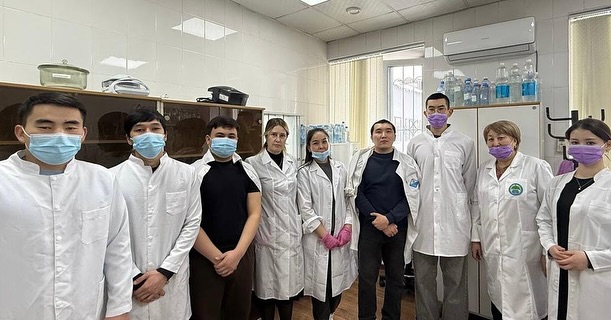
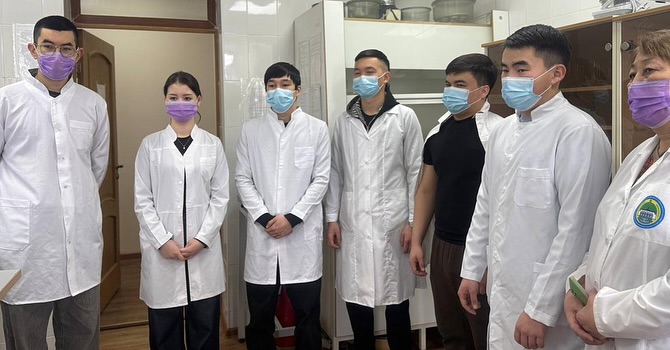
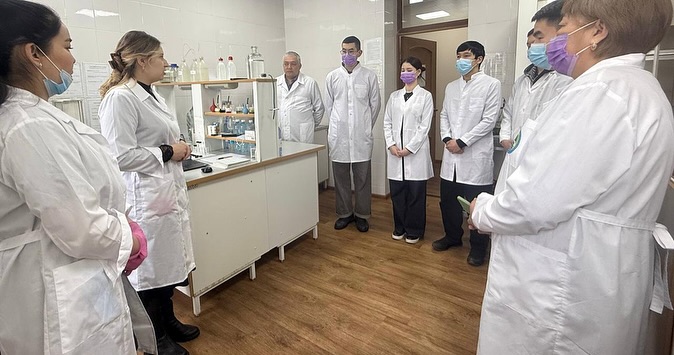
T.T. Barakbayev, PhD, Deputy General Director of the “Fisheries Scientific and Practical Center” LLP, gave an interview to the 24KZ TV channel. The discussion focused on the current challenges, strategic issues, and the future outlook for the development of Kazakhstan’s fisheries sector.
State Support for Aquaculture: Subsidy Procedures and Requirements
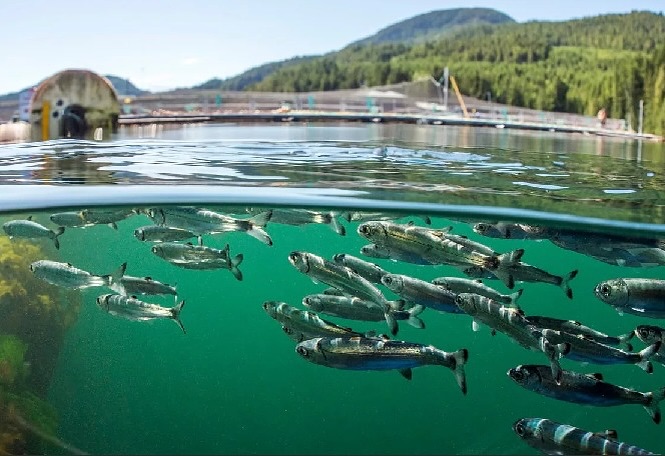
Under the state support program, aquaculture entities are eligible for subsidies covering 30% of the costs incurred for the purchase of feed used in fish farming. Prior to submitting an application, the applicant must obtain a positive conclusion from a specialized expert group confirming the availability of necessary infrastructure and compliance with subsidy conditions. This expert group is formed by local executive bodies; therefore, applicants must contact their respective local authority to initiate the review process.
To receive subsidies, farms must submit their applications through the “Electronic Government” web portal or the State Information System of the Agro-Industrial Complex (GIS AIC).
Key Verification and Compliance Measures:
-
Feed Purchase Validation: The purchase of feed is verified through the automated integration of the GIS AIC with the Electronic Invoicing Information System (IS ESF), based on the availability of relevant electronic invoices.
-
Production Confirmation: A critical requirement is the confirmation of aquaculture production volumes for the previous and/or current year. This data, retrieved from the GIS AIC and IS ESF, ensures that subsidies for feed are not granted prior to the sale of products, thereby confirming the intended use of the feed in the production process.
-
Veterinary Documentation: Mandatory verification of veterinary documents is conducted via the “e-Agriculture” system. This includes a veterinary certificate for feed purchased from domestic producers or an international veterinary certificate for imported feed.
-
Sturgeon Farming (CITES): For farms engaged in breeding sturgeon species and their hybrids, data regarding the artificial breeding of species listed in Appendices I and II of the CITES Convention must be confirmed through the “E-licensing” state database.
These measures are designed to promote the sustainable development of the aquaculture industry, improve product quality, and ensure the transparency of state support mechanisms through the digitalization of processes.
Detailed information regarding the terms and procedures for subsidies, as well as applicant requirements, can be found in the Order of the Ministry of Agriculture of the Republic of Kazakhstan dated November 1, 2025, No. 412, “On Approval of the Rules for Subsidizing the Increase in Productivity and Quality of Aquaculture Products, and the Development of Pedigree Fish Farming,” available on official legal resources.
Man of Labor. The Scientist Shaping the Future of Kazakhstan’s Fisheries
Saule Assylbekova is the first and only Doctor of Biological Sciences in Kazakhstan specializing in “Fisheries and Aquaculture.”
She earned her degree as an “ichthyologist-fish breeder” from the Astrakhan Technical Institute of the Fishing Industry and Economics. Since 1990, her career has been inseparable from the National Scientific and Practical Center for Fisheries, where she rose from senior laboratory assistant to First Deputy General Director.
In 2006, Assylbekova was awarded the degree of Candidate of Biological Sciences for her thesis, “Changes in the Ichthyocenoses of Lake Balkhash as a Result of the Acclimatization of Predatory Fish Species.” In 2018, she was elected as an Academician of the National Academy of Agricultural Sciences of the Republic of Kazakhstan, and in 2023, she was granted the title of Professor in “Agriculture, Forestry, and Fisheries.”
For many years, her work has been focused on key industry objectives: the conservation, reproduction, and sustainable development of Kazakhstan’s fish resources, the advancement of aquaculture, and the practical implementation of research findings. Under her scientific leadership, strategic programs and grant projects aimed at developing the domestic fishing industry are being successfully implemented.
She is the author and co-author of over 400 scientific publications, including articles, methodological recommendations, 8 monographs and textbooks, as well as more than 70 patents for inventions and utility models. Her work is actively utilized in industrial practice and the educational process.
Saule Assylbekova serves as an FAO expert and participates in international projects dedicated to sustainable fisheries management and aquaculture development.
Saule Zhangirovna’s scientific biography is a prime example of professional leadership, dedication to science, and service to national interests. Her contribution to the development of fisheries and aquaculture rightfully holds a distinguished place in the history of agricultural science in Kazakhstan.

Kapchagay Reservoir: Commercial Fishing Moratorium and Designation of Recreational Zones
On January 27, 2026, a meeting was held at the Balkhash-Alakol Interregional Basin Fisheries Inspectorate (BAIBFI) following a proposal from the Public Association (PA) “Federation of Sport Fishing” and the Non-profit Organization (NPO) “Kazakhstan Tourism Association” regarding the introduction of a temporary moratorium on commercial fishing due to the ecological and socio-economic situation of the Kapshagai Reservoir.
- The meeting was attended by:
- Deputy Head of the Balkhash-Alakol Interregional Basin Fisheries Inspectorate (BAIBFI), Kaldayeva A.N.;
- Deputy General Director of the LLP Fisheries Research and Production Center, Barakbaev T.T.;
- Head of the Ichthyology Laboratory of the LLP Fisheries Research and Production Center, Sansyzbaev E.T.
Following the meeting, a decision was made to designate recreational zones for sport and amateur fishing near the city of Konayev on the Kapchagai Reservoir. This decision aims to create new opportunities for fishing enthusiasts and attract more people wishing to spend time at the water body.


Government Support for Aquaculture: Terms and Conditions for Subsidies
In the Republic, government support measures are being implemented aimed at reducing the cost of aquaculture products, increasing their productivity and quality, as well as developing broodstock fish farming.
Government support is provided through reimbursement of part of the actual production costs:
- 30% of expenses — for the purchase of feed used in the cultivation of aquaculture objects;
- 50% of expenses — for:
purchase of juveniles;
purchase and maintenance of broodstock (RMS, Repair and Maintenance Stock);
conducting aquaculture-biological justification (ABJ, Aquaculture-Biological Justification);
purchase of veterinary drugs used in aquaculture.
- How to Submit an Application?
- Application period: from February 1 to December 20
- Submission: online via the “e-Government” portal and Agro-Industrial Complex Information System (AIC ISS)
- Review: in order of receipt
- Payment: within the limits of the local budget
- Requirements: availability of Electronic Digital Signature (EDS) and a personal account in AIC ISS
- Main Conditions for Receiving Support:
⸙ Availability of production infrastructure (confirmed by a group of specialists);
⸙ Availability of confirmed electronic invoices or customs documents (for imports);
⸙ Confirmation of aquaculture production volumes;
⸙ Photo and video documentation of production processes (juveniles, Repair and Maintenance Stock (RMS), product sales).
- Detailed conditions are in the Order of the Ministry of Agriculture (MA) of the Republic of Kazakhstan (RK) dated November 1, 2025, № 412, and also on the official online resources of local executive bodies.
Evaluation Works in Sturgeon Farming
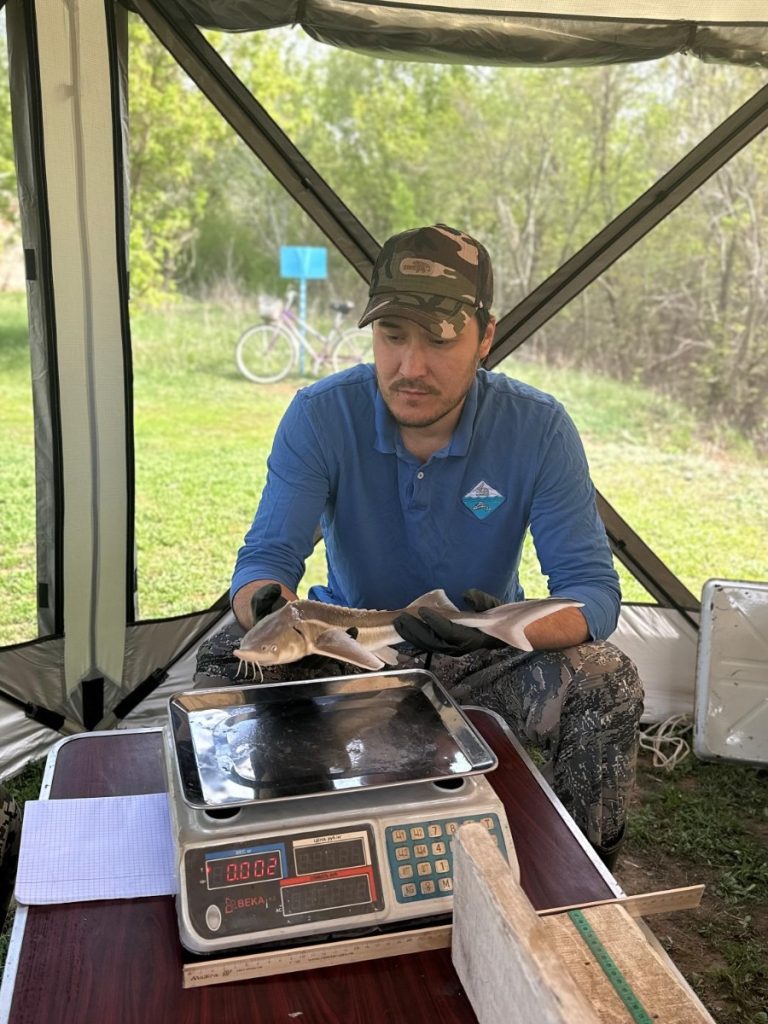
From January 15 to 24, 2026, under Program 019 “Implementation of Innovative Technologies for Broodstock Preparation to Obtain Food Caviar by the Lifetime Method to Increase the Range and Volume of Legal Sturgeon Products and Enhance Their Export and Domestic Potential in the Mangistau Region,” comprehensive work on sturgeon fish grading is being carried out at LLP NPP “Kazakh Osseter.”
According to the calendar plan of the program, the following work is carried out by the Scientific Researcher of the Aquaculture Laboratory of LLP FRPC, Maratova G.M., and the Technologist of LLP NPP “Kazakh Osseter”:
- Tagging of caviar females using PIT tags;
- Grading and selection of caviar females;
- Installation work and preparation of the wintering complex;
- Adaptation of fish and their stocking for wintering;
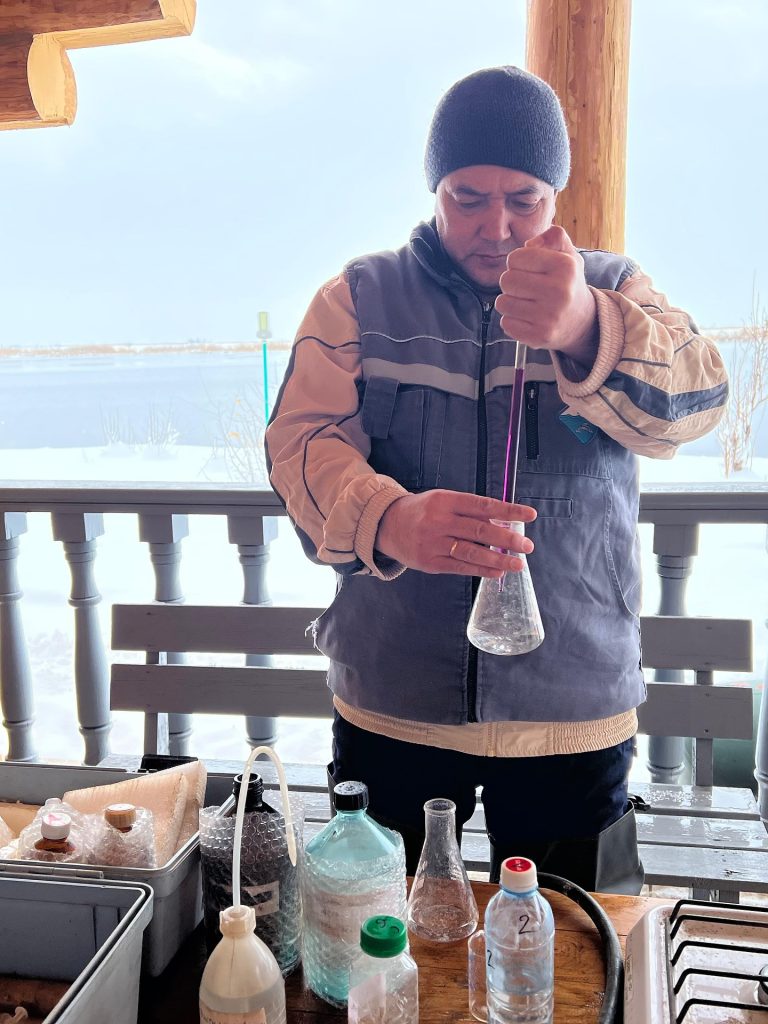
- Systematic monitoring of the hydrochemical regime of the water, including measurement of temperature and dissolved oxygen concentration, as well as assessment of other key water quality indicators necessary to maintain optimal fish rearing conditions;
- Carrying out the important and key work — organizing and ensuring optimal wintering conditions for caviar females to facilitate the production of high-quality food caviar.
Starting from 2026, a new type of subsidy has been introduced in Kazakhstan for aquaculture entities.
Starting from January 2026, a new mechanism of state support for aquaculture entities has been introduced — subsidizing the cost of water supply services in the implementation of fish farming and processing projects.
The new type of subsidy is regulated by the Rules for Subsidizing the Cost of Water Supply Services in the Field of Aquaculture, approved by Order № 406 of the Minister of Agriculture of the Republic of Kazakhstan dated October 30, 2025.
Subsidies are provided to individuals and legal entities engaged in the breeding, keeping, and cultivation of aquaculture species, as well as to entities ensuring the development of the sector.
The amount of subsidies is set on a differentiated basis — ranging from 60% to 85% of the rate per cubic meter of water, depending on its volume. The remaining portion of the rate is paid by the service recipient.
The public service is provided by local executive authorities through the State Information System for Subsidizing the Agro-Industrial Complex (SISS AIC — Agro-Industrial Complex). Applications are accepted electronically from May 1 to November 30 of the relevant year, subject to compliance with established requirements, including the availability of land plots and a minimum project capacity for fish production of at least 25 tons per year.
The introduction of a new type of subsidy is aimed at reducing production costs and promoting the development of aquaculture in the Republic of Kazakhstan.
Upgrading Research and Production Facilities: New Recirculating Aquaculture System (RAS) Workshop Commissioned at the Balkhash Branch
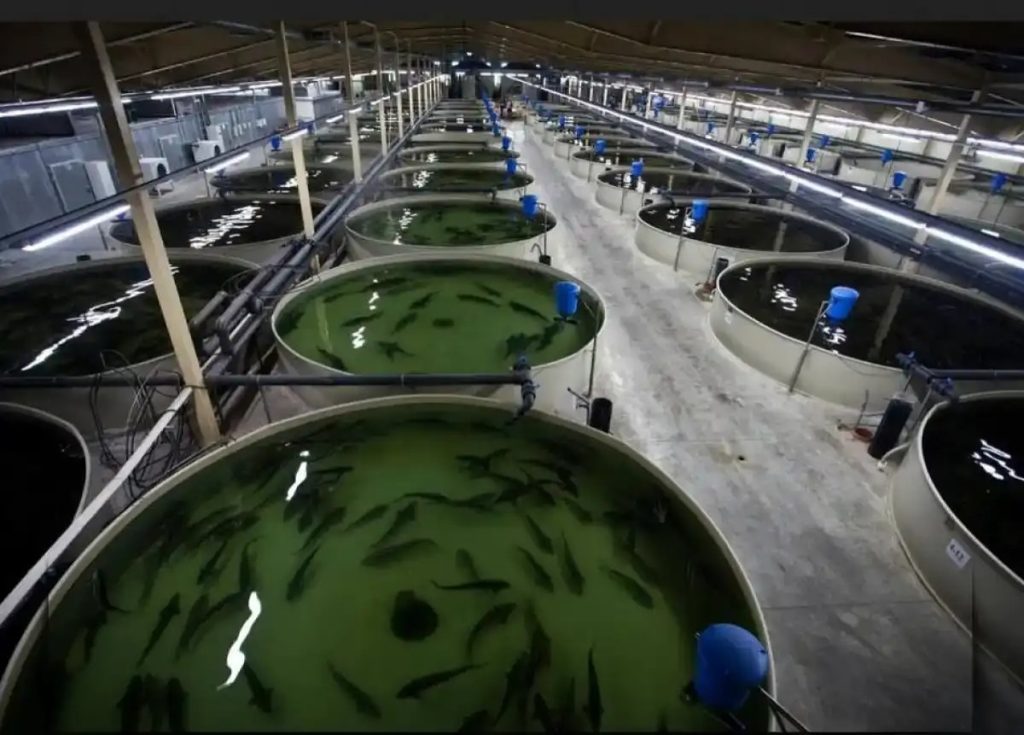
In December 2025, within the framework of the Targeted Financing Program (TFP), as part of the implementation of the scientific and technical program “Development and Implementation of Innovative Technologies and New Aquaculture Facilities, Economically Efficient under the Natural and Climatic Conditions of Various Regions of Kazakhstan,” an additional closed water supply facility was commissioned at the Balkhash branch. This facility includes wintering and quarantine pools.
The wintering section is equipped with a chiller cooling system, which ensures the maintenance of a stable, reduced temperature regime during the cold season. This allows for controlled fish wintering with minimized physiological stress, reduced metabolic activity, and improved survival of the breeding stock.
The quarantine pools are intended for the temporary housing and adaptation of fish stock, as well as for preventive monitoring of their physiological and epizootic condition. The presence of a separate quarantine unit will reduce the risk of introducing infectious and parasitic diseases into the main recirculating aquaculture system (RAS) production line.
The creation of an additional workshop will expand the technological capabilities of the complex, enhance the level of biological safety, and ensure more efficient year-round management of the cultivation and maintenance processes of aquatic organisms.