the 5th International Fishery Forum and Exhibition Seafood Expo Russia 2022 is taking place

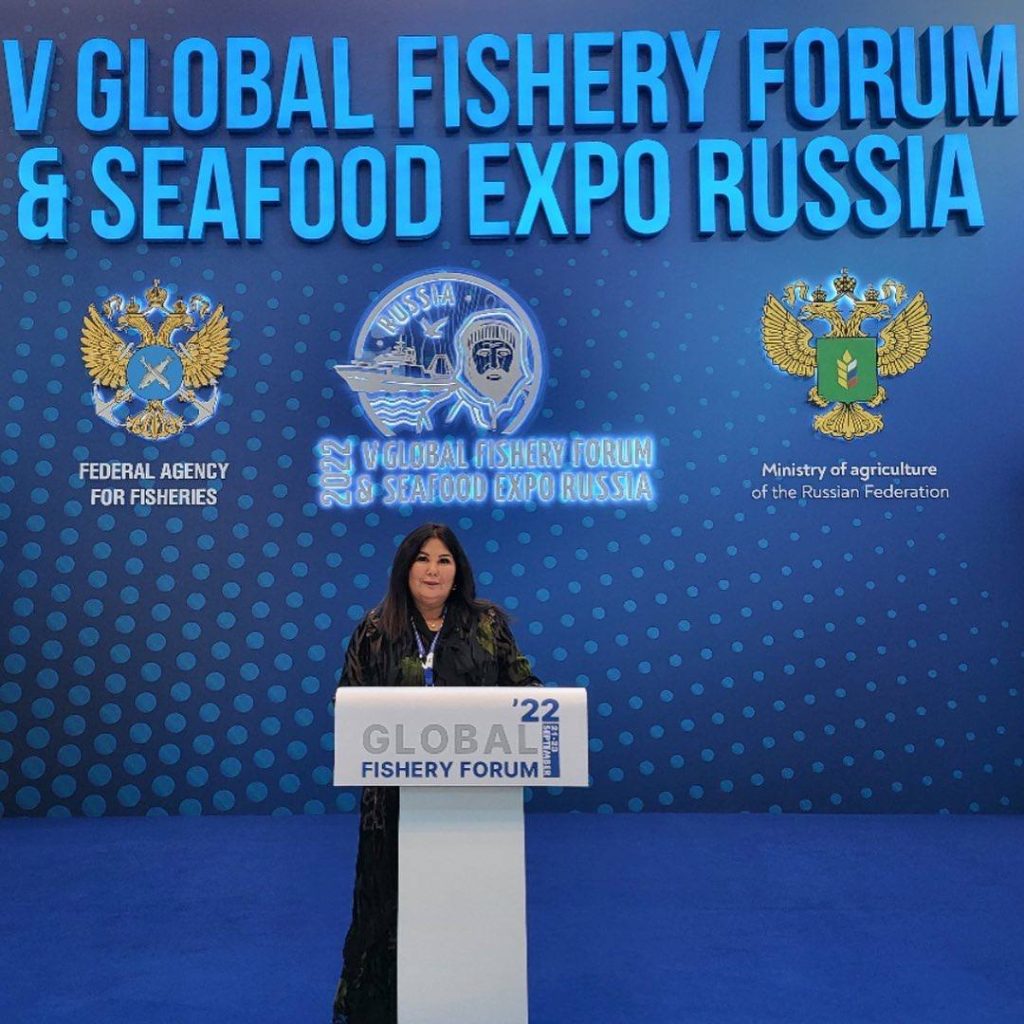
On September 21-23, CEC Expoforum CEC (St. Petersburg) hosts the 5th International Fishery Forum and Exhibition of the Fishing Industry, Seafood and Technologies Seafood Expo Russia 2022.

As part of Seafood Expo Russia 2022, the 1st International Educational Forum of the Fishery Skills complex is being held. КThe key event of this forum was the panel session: “International cooperation between education and business for the sustainable development of the fishery complex.”, which is dedicated to the role of international standards and technologies in the development of the fishing industry. The plenary session was attended by representatives of executive authorities, international and educational organizations, business communities of Russia, Iran, Kazakhstan, Uzbekistan and other countries.

At the invitation of the Federal Agency for Fisheries, a presentation was made in the plenary session as a speaker by the Deputy CEO of the “RPC of Fisheries” LLP, Doctor of Biological Sciences, Asylbekova S.Zh.

Also, within the International Educational Forum, a meeting was held on the issues of professional training of fish farmers.
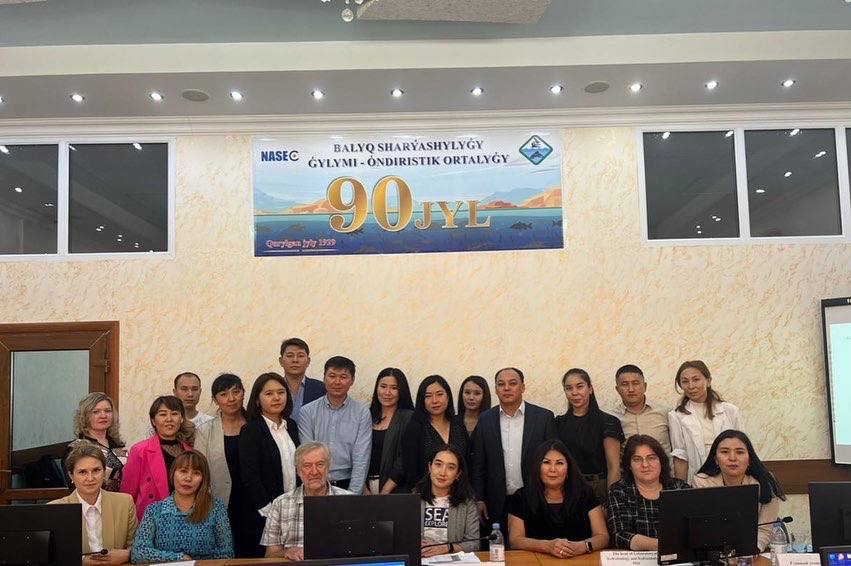
Professor of Gent University and expert of the GIZ regional program made a working visit to “Fisheries RPC” LLP

Today, Professor of Gent University Patrick Zorgelus and national expert of the GIZ regional program Kairat Egezhanov made a working visit to “RPC of Fisheries” LLP.

During the meeting, the guests got informed with the activities of the “RPC of Fisheries” LLP, in particular, with the results of the grant project “Research of the export-oriented biological resource – Artemia franciscana to develop a biological justification for the possibility of their introduction, with the purpose to increase the productivity of salt water reservoirs of the Republic of Kazakhstan”.

The guests were informed with the results of the research of artemia by: head of the laboratory of hydrobiology and hydroanalysts, PhD, Mazhibayeva Zh.O. – with the results in the field of hydrobiology, head of the laboratory of hydrobiont genetics Adyrbekova K.B. – with the results of genetic studies of artemia.

In his turn, professor Patrik Zorgelus shared his experience and knowledge in the field of Artemia research, achievements and prospects. Also, the guests visited the laboratory, where the experiments on the project are directly carried out, talked with the team and answered questions of interest.

For reference: The regional project “Environmentally oriented regional development of the Aral Sea region” is carried out on behalf of the German Federal Ministry for Economic Cooperation and Development (BMZ) and is realized by the German Society for International Cooperation (GIZ) GmbH. The project provides support to the governments of Kazakhstan and Uzbekistan in ensuring environmentally sustainable cross-border economic development of the Aral Sea region.

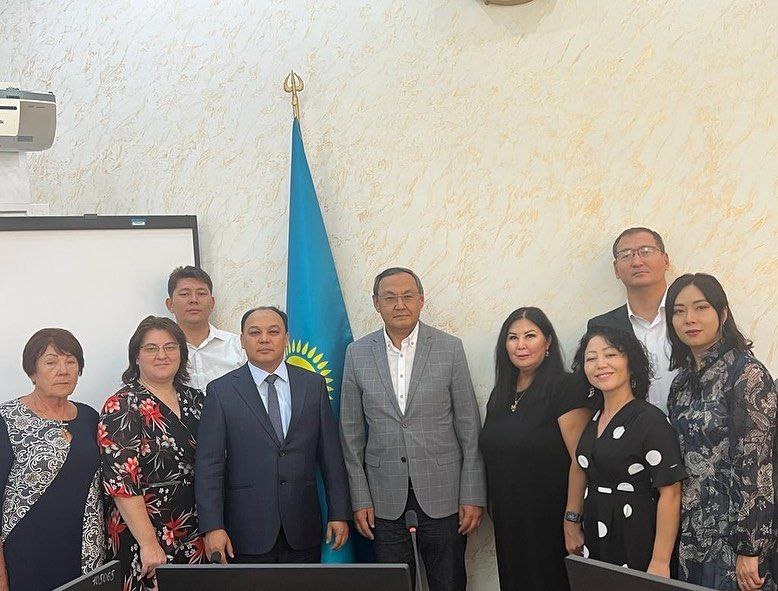
Deputy of the Senate of the Parliament of the RK A.Kurishbaev visited “RPC of Fisheries” LLP

Today, Deputy of the Senate of the Parliament of the Republic of Kazakhstan Akylbek Kazhygulovich Kurishbaev visited “RPC of Fisheries” LLP.

Akylbek Kazhygulovich got acquainted with the activities of the RPC for Fisheries, visited the laboratories, talked with the team, listened to suggestions and answered questions of interest to the team. During the visit, the issues of the Fisheries Development Program in the Republic of Kazakhstan for 2021-2030, the directions and prospects of fisheries research and other actual issues in the development of science were discussed.

Today, the Akimat of Almaty region carried out a scheduled inspection of the work of fishery farms in the region

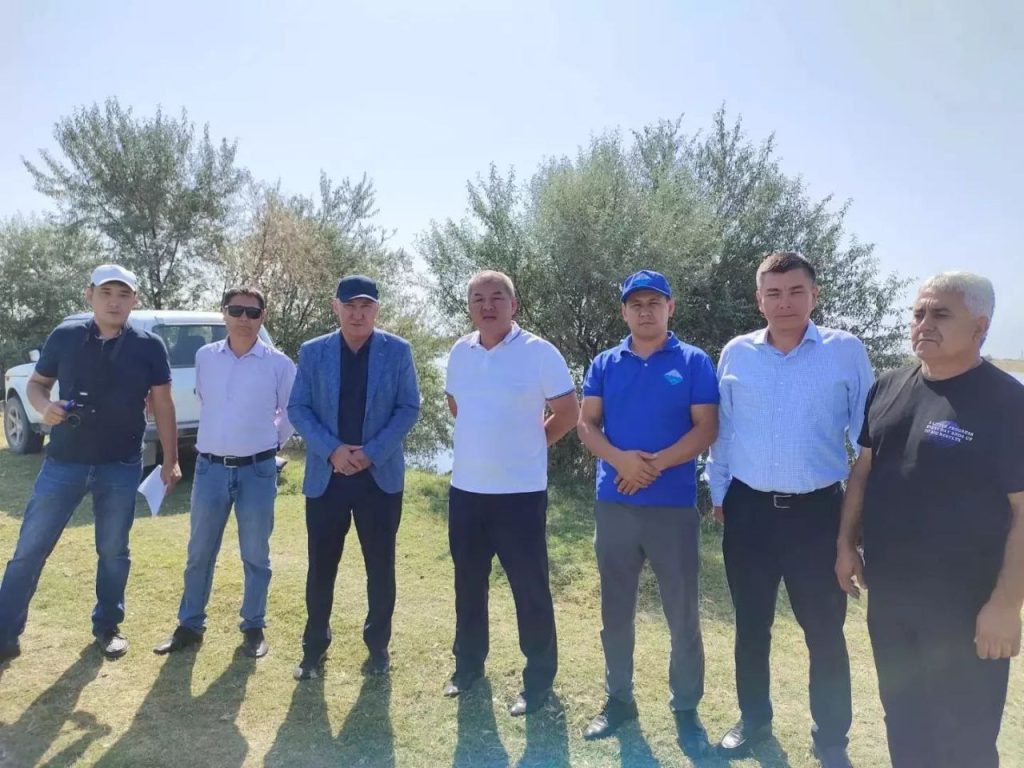
Today, the akimat of the Almaty region, headed by the deputy akim Arslan Momyshuly Dandybaev, carried out a scheduled inspection of the work of the fishery farms of the region, в including “Kapshagai spawning and rearing farm-1973” (КНВХ-1973) LLP

Among the delegation were: the head of the “Department of Natural Resources and Environmental Management” for the Almaty region Nusipbaev K.A., the head of the RGU “Balkhash-Alakol Basin Inspection” Suyubaev A.S., the deputy head of the RGU “Balkhash-Alakol Basin Inspection” Kumashev R. The director of “Kapshagai spawning and rearing farm-1973” (КНВХ) LLP Shadibekov A.K. acquainted the delegation with the production capacities of the farm, led them to the incubation workshop, showed the available ponds and the fish they contain.

Head of the Laboratory of Aquaculture Abilov B.I. informed about the progress of work carried out by “RPC of Fisheries” within the project with JSC “Fund of Science” for the commercialization of “Artificial reproduction and cultivation of sazan fishstock material for the purpose of its further implementation for stocking natural reservoirs of the Republic of Kazakhstan” and demonstrated the biological indicators of reared underyearlings. Also, during the meeting, issues of the Fisheries Development Program of the Almaty region were discussed. 

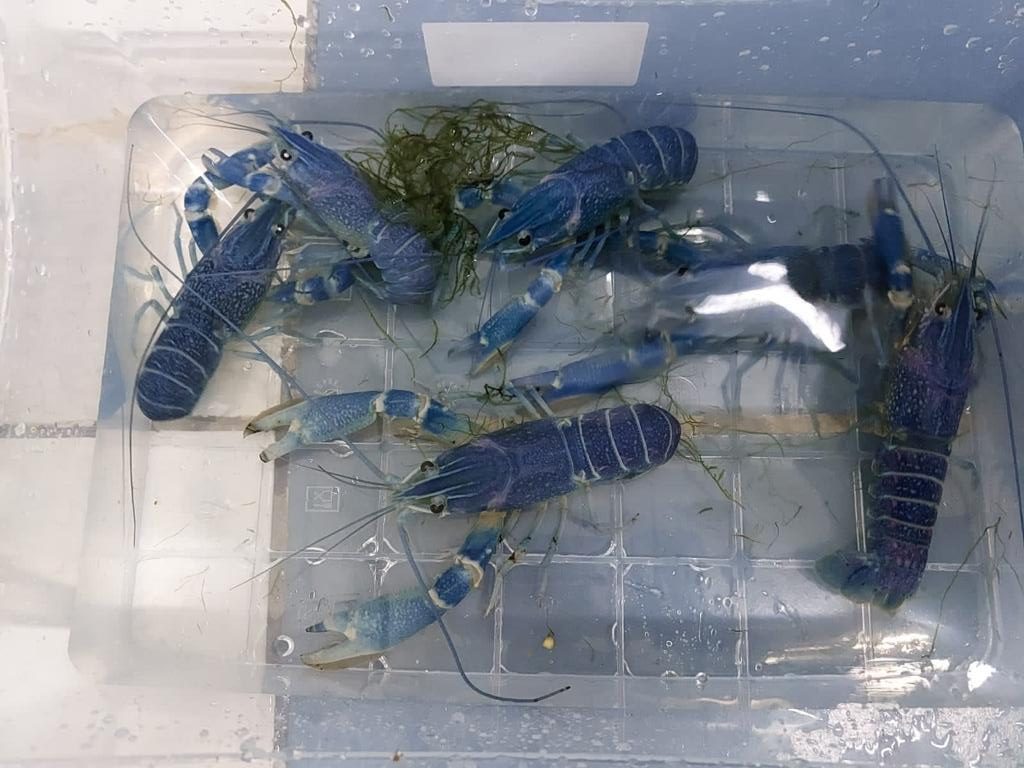
The Australian red claw crayfish is of great interest as a new breeding facility in Kazakhstan.

The Australian red claw crayfish is of great interest as a new breeding facility in Kazakhstan.

Its value is that it has rapid growth and relatively low requirements for breeding conditions. In conditions of artificial breeding, it is unpretentious, almost omnivorous. Its meat has dietary value, high taste and nutritional qualities, and the proportion of meat (30% of body weight) exceeds 15-20% compared to long-fingered cancer. Due to its biological characteristics and taste characteristics, the species proved to be suitable for commercial breeding.

​Scientific staff of  the “RPC of Fisheries” LLP  at fish farms of the Republic of Kazakhstan are working on the development of effective biotechnical methods of reproduction and industrial cultivation of Australian red claw crayfish. Based on the results, recommendations will be developed for farmers in Kazakhstan. ​The research is carried out within the Scientific and Technological Support for the integrated development of aquaculture in Kazakhstan through the development and implementation of innovative technologies and new fish farming facilities.

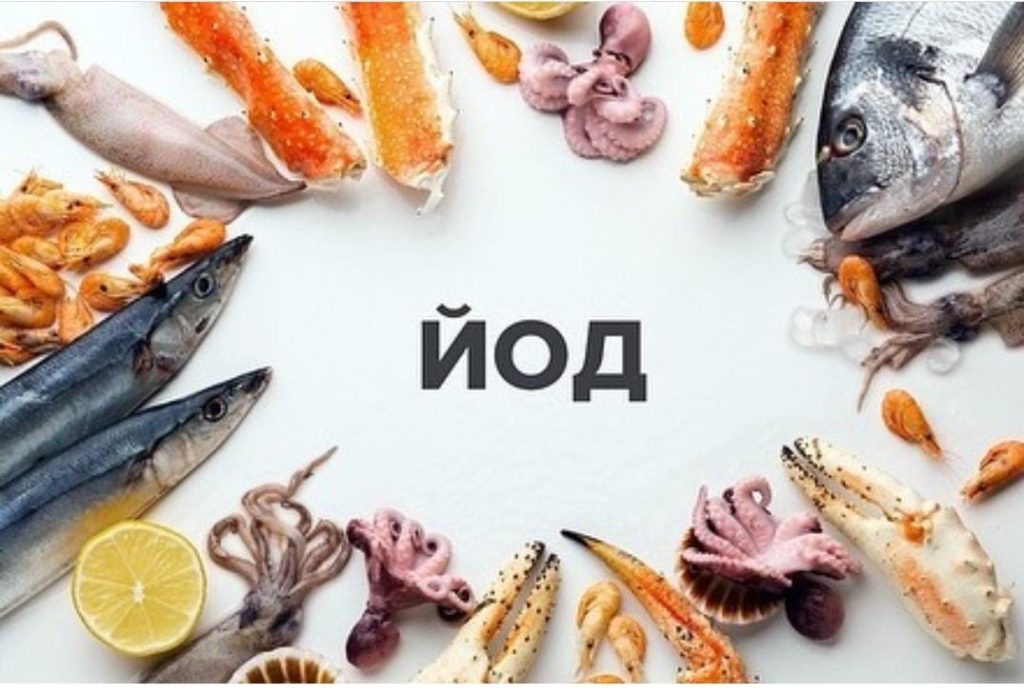
The content of iodine in fish

The mineral composition of fish meat is determined by the significant amount of important macro- and microelements contained in it, represented by phosphorus, calcium, potassium, sodium, magnesium, sulfur, chlorine, iron, copper, manganese, cobalt, zinc, iodine, bromine, fluorine, etc.

Today we want to tell you about the iodine content in fish.

Iodine is one of the most important and most studied trace elements, the deficiency of which has a negative impact on human health. It is a mandatory structural component of thyroid hormones – thyroxine (T4) and triiodothyronine (T3).

The lack of iodine in the human body leads to many diseases, such as:

  • – goiter,
  • – mental and physical development lag (cretinism),
  • -causes hypothyroidism when metabolic processes slow down, which provokes overweight and obesity,
  • -the skin becomes dry and the nails brittle.
  • – people with iodine deficiency and, accordingly, thyroid dysfunction are prone to mood swings.
  • – iodine is also important in order for the pancreas to produce insulin in a normal amount and maintain blood glucose levels.

The most iodine in marine commercial fish: cod and cod liver,hake, pollock,haddock,saithe, sea bass, mackerel (quite popular and accessible to all fish, it is easy to buy both at the market and in the store). Most of the iodine is found in fish skin, because it is the skin of the fish that comes into contact with water. And if you want to preserve this iodine, you need to try to cook the fish so that both the skin and the fish itself are heated as little as possible.

The material was provided by the Vice-president, Doctor of Biological Sciences, Professor, head of the Laboratory of food Biotechnologies and specialized food products Yu.A. Sinyavsky within the framework of a Memorandum between LLP “OO Kazakh Academy of Nutrition” and LLP “Scientific and Production Center of Fisheries” in order to disseminate knowledge about the benefits of fish and fish products.


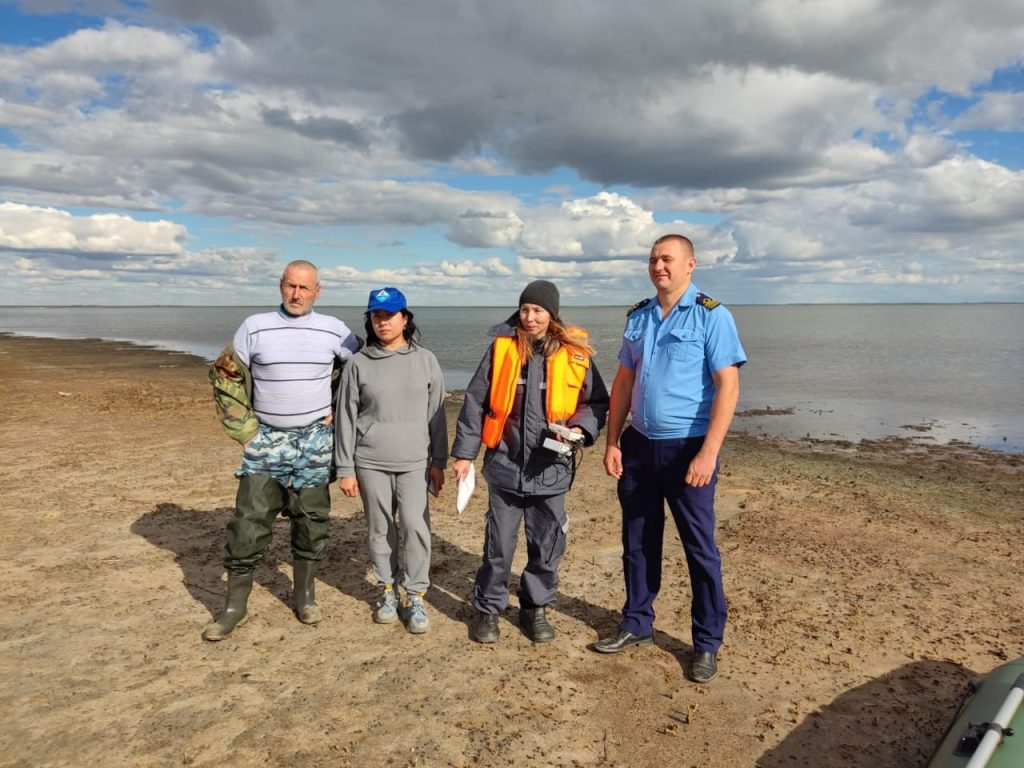
The expeditionary detachment of the “RPC of Fisheries” LLP conducted research work on the Middle and Lower Kolsai lakes.

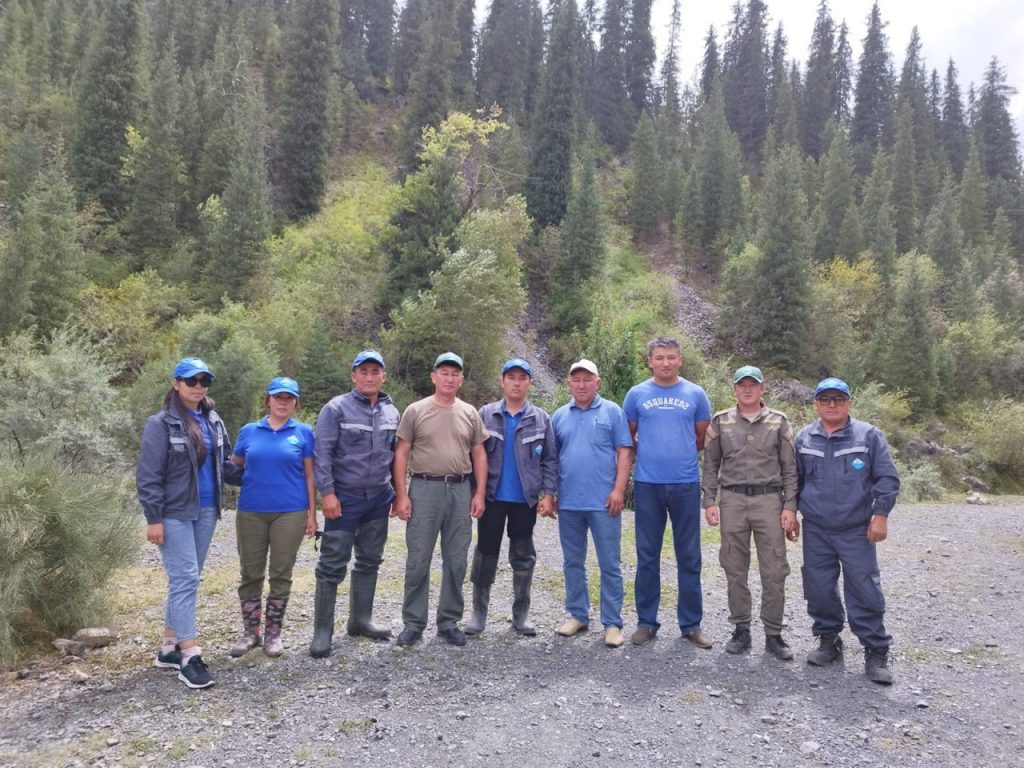
The expeditionary detachment of “RPC of Fisheries” LLP consisting of:the head of the expedition group Makambetov S.Zh., senior researcher of the ichthyology laboratory Ablaisanova G.M., junior researcher Bakkozha Zh.M., researcher of the Laboratory of Hydrobiology and Hydroanalytics Mukatai A.A. conducted research work on the lakes Sredny and Nizhny Kolsai.

As a result of the work, the expedition team took water samples for hydrochemical and hydrobiological studies, and collected ichthyological materials for analysis.

The work was attended by the chief specialist of the Kapshagai fish Inspection, Yelekenov E.Zh., as well as representatives of the inspection of the State Enterprise “Kolsai Kolderi”.

These works were carried out within the framework of the budget program 256 Management, ensuring the conservation and development of forest resources and wildlife, under subprogram 102 Ensuring the conservation, reproduction and rational use of wildlife resources.

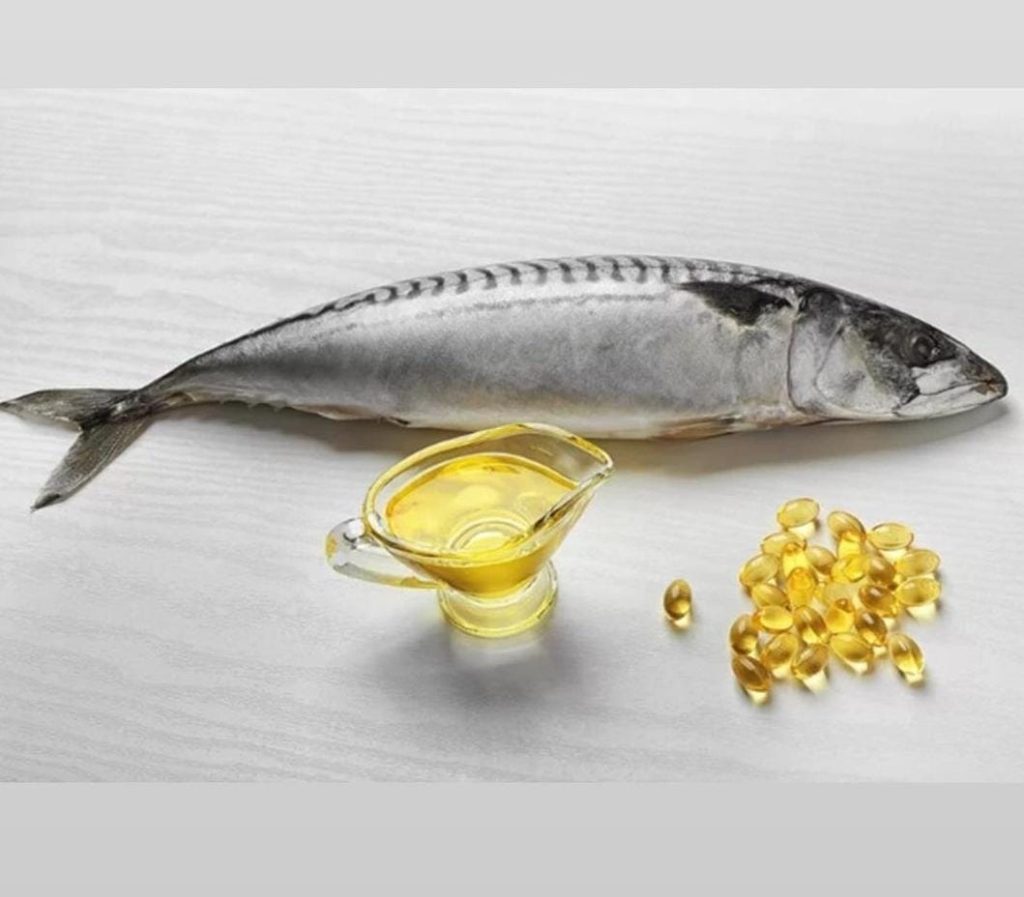
About the benefits of fish oil

Fish is an indispensable food in the human diet. Unlike existing sources of nutrients and energy, fish and fish products contain high-grade proteins and fatty acids, as well as essential vitamins and minerals.

Today we would like to tell you about the benefits of fish oil. Taking this supplement used to be almost mandatory, since it was believed that only it would help to form bones correctly and protect against rickets. And there are many reasons for this. Fish oil is a mixture of various triglycerides, which include more than 25 high-molecular fatty acids. It is easily absorbed by the human body, is characterized by high nutritional value and is a source of linolenic, linoleic and archidonic acids that normalize fat metabolism.

Fish fats contain about 86% unsaturated fatty acids. In addition, fish oil is a source of fat-soluble vitamins A, D, and E. Fish fats contain about 86% unsaturated fatty acids. In addition, fish oil is a source of fat-soluble vitamins A, D, and E.Scientists note a high concentration of fatty acids in herring fillets, salmon (chum salmon, trout, salmon), mackerel and sardine. Highly unsaturated fats are effective as a means of lowering cholesterol levels in the blood. For example, 30 g of fish oil reduces cholesterol in the blood by 7%.

The material was provided by the Vice-president, Doctor of Biological Sciences, Professor, head of the Laboratory of food Biotechnologies and specialized food products Yu.A. Sinyavsky within the framework of a Memorandum between LLP “OO Kazakh Academy of Nutrition” and LLP “Scientific and Production Center of Fisheries” in order to disseminate knowledge about the benefits of fish and fish products.

Employees of the “RPC of Fisheries” LLP examined 7 reservoirs of the North Kazakhstan region, according to the calendar plan.

In the period from August 16 to August 24, 2022, employees of the “RPC of Fisheries” LLP, consisting of: Head of the lab. hydrobiology and hydroanalytics of Mazhibayeva Zh.O., researcher Kozhizhanova B.A. and head of the support station of Petropavlovsk Fefelov V.V. surveyed 7 reservoirs of the North Kazakhstan region, according to the calendar plan.

During the trip, the hydrological regime of the lakes was analyzed, water samples were taken for hydrochemical and hydrobiological studies. Samples of artemia crustaceans and their cysts were collected to study their microflora and physico-chemical composition.

The work was attended by the chief specialists of the department of the RSU “Esil inter-regional basin inspection of fisheries of the Committee of Fisheries of the Ministry of Fisheries of the Republic of Kazakhstan” Lopatsky A.L. and Ramazanova E. E.

These works were carried out within the framework of the projects of the Ministry of Education and Science of the Republic of Kazakhstan and STP.

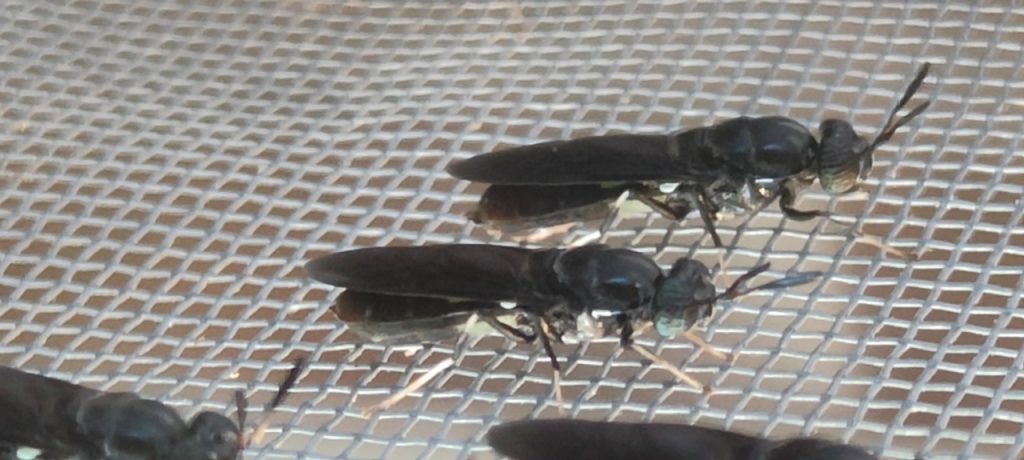
Work is being carried out on the cultivation of the larvae of black sodier fly on various substrates and their further use as fish feed

The Black soldier fly (Hermetia illucens) is a large american fly from the family of soldier flies (Stratiomyidae), the natural distribution area of North and South America. And this object is of great scientific and practical interest.

The content of crude protein in them is from 30 to 40%, lipids are 20-40%, and due to their enriched biochemical composition, larvae are used as a feed additive for juvenile fish. The nutritional value of the larvae depends on the substrate on which they are grown.

Also, larvae are natural converters of organic substrates, which are a good source of protein and fat.

The insect gained wide popularity due to the highly efficient bioconversion of various solid organic waste, as well as the high nutritional value of larvae with the possibility of use in feeding agricultural animals.

It is known that larvae are able to change the microflora of manure, potentially reducing the number of harmful bacteria. They can also be included in the chain for processing various waste:

– food waste,

– droppings of birds and animals, as a result, the resulting compost can be applied as a fertilizer for growing plants.

And in our country, as well as all over the world, it is very important to combat waste by methods where fly larvae can act as a priority lever to reduce the impact of pollutants on the environment.

Scientific staff of “RPC of Fisheries” LLP are working on the cultivation of the larvae of black soldier fly on various substrates and their further use as fish feed, optimal breeding methods are determined both from the economic and from the fish farming side, based on the results, recommendations will be given applicable to the conditions of fish farms of the Republic of Kazakhstan.

The work is carried out within the framework of the Scientific and Technological Support for the integrated development of aquaculture in Kazakhstan through the development and implementation of innovative technologies and new fish farming facilities.